


Two Brown Scientists Join National Collaboration to Explore Genetic Mutations
GoLocalProv News Team
Two Brown Scientists Join National Collaboration to Explore Genetic Mutations
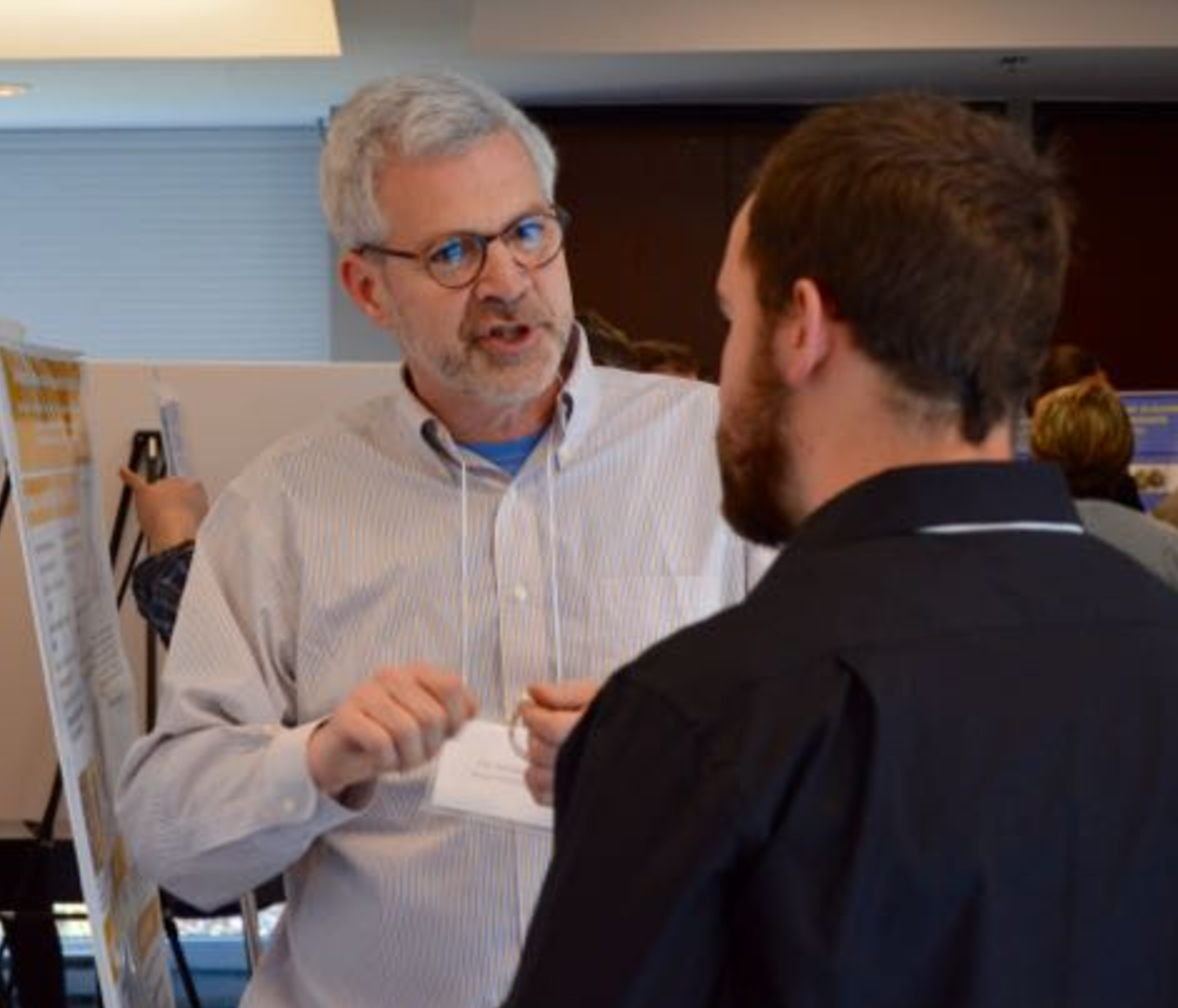
Brown Faculty members Daniel Weinreich and Brenda Rubenstein will take on a four-year project to investigate how mutations cause differences in the way the proteins encoded by genes fold and blind.
The team will use a $1.5 million share of a new $6 million, four-year grant from the National Science Foundation.
GET THE LATEST BREAKING NEWS HERE -- SIGN UP FOR GOLOCAL FREE DAILY EBLAST“The fulcrum for all the work is the premise — to be tested — that by considering simple rules of biophysics we can predict what a mutation will do to its protein,” said Weinreich.
The Project
The team will model and experimentally test how different mutations could affect each of six different proteins.
Weinreich is an expert on the genetics and biology of the enzyme TEM-1 beta-lactamase, which helps to make bacteria drug resistant. Some mutations, or combinations of them, can undermine that trait. In the case of TEM-1, for example, the ability to fold into its normal configuration is necessary for it to become active — and the ability to bind to antibiotics is necessary for it to hinder the drug’s efficacy. Weinreich will lead the experimental testing of the predictions of the physicists in the enzyme.
Rubenstein’s lab will perform some of that modeling, not only in TEM-1 beta-lactamase but also the respiratory syncytial virus (RSV) fusion protein.
Working with computer simulations, she’ll develop an understanding of exactly how mutations alter the chemical structures of different amino acids and can affect the folding and binding of proteins.
Ultimately the entire team will study TEM-1, RSV, HIV, dihydrofolate reductase, which is an important enzyme in malarial drug resistance, the lytic bacteriophage phiX174, and EgfA-PDF.
The group will predict and test single mutations and combinations in each, as they look to learn more generally how mutation affects proteins and how that affects an organism’s traits.
The Brown Alumni Who Run This Country
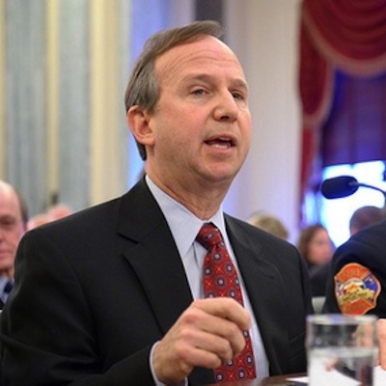
Jack A. Markell
Governor of Delaware (2009 - Current)
Class of 1982
After obtaining his undergraduate degree in economics and graduate studies from Brown in 1982, Governor Markell went on to earn his MBA at the University of Chicago. He left the private sector in 1998 upon his election as State Treasurer of Delaware, a role which he served until becoming his home state's Governor in 2009.
Photo: SenRockefeller, Flickr
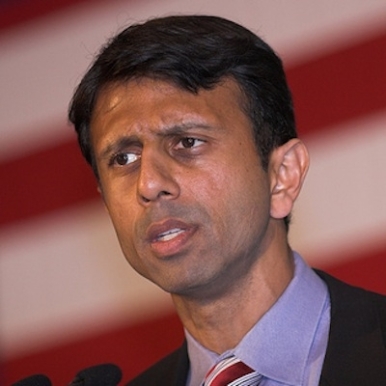
Piyush "Bobby" Jindal
Governor of Louisiana (2008 - Current)
Chairman of the Republican Governors Association
Class of 1992
Governor Jindal is one of the more recognizable names to come out of Brown, largely due to his role in dealing with the Deepwater Horizon oil spill off of his state's coast in 2010. He earned degrees in biology and public policy from Brown in 1991, and has since held many public offices; including a term in Congress as the Representative of Louisiana's 1st District.
Photo: Derek Bridges, Flickr
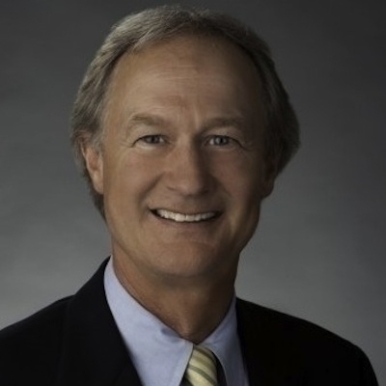
Lincoln Chafee
Governor of Rhode Island (2011 - Current)
Class of 1975
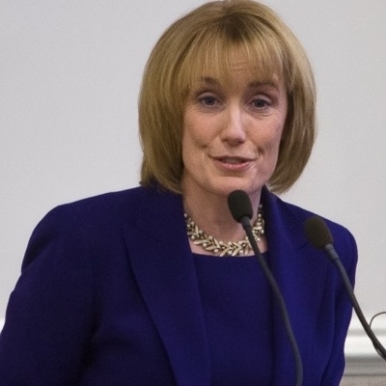
Maggie Hassan
Governor of New Hampshire (2013 - Current)
Class of 1980
After Graduating from Brown in 1980, Governor Hassan went on to the Northeastern University School of Law. After working as an attorney for several years, Hassan went on to hold a seat in the New Hampshire State Senate for three terms before losing her seat in 2010. She won last year's Gubernatorial election, carrying every county in New Hampshire.
Photo: Roger H. Goun, Wikimedia
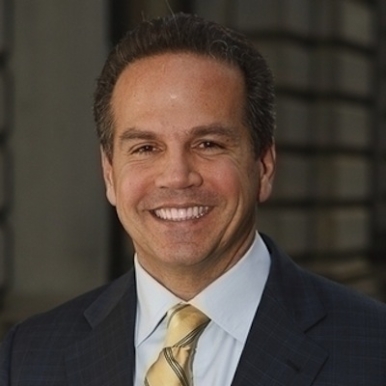
David Cicilline
U.S. Representative - Rhode Island - 1st District (2011 - Current)
Class of 1983
Along with John F. Kennedy Jr., Cicilline established Brown University's branch of the College Democrats of America. He held several roles in Rhode Island politics, including Mayor of Providence from 2003 to 2011 before representing Rhode Island's 1st District in the U.S. House.
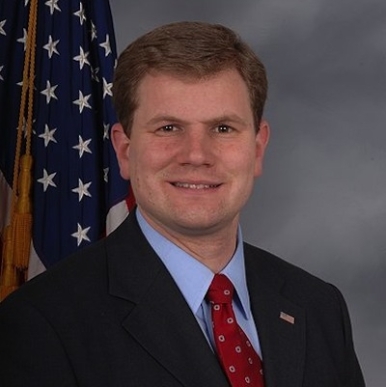
Dan Maffei
U.S. Representative - New York - 24th District (2013 - Current)
Formerly U.S. Representative - New York - 25th District (2009 - 2011)
Class of 1990
Representative Maffei received his degree from Brown in history before beginning a career in journalism. He worked as a reporter and producer for ABC's Syracuse, NY affiliate for several years, then worked behind the scenes in politics until deciding to run for office himself.
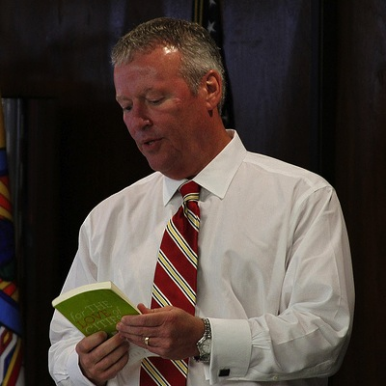
John Hugh "Buddy" Dyer
Mayor of Orlando, FL (2003 - Current)
Class of 1980
Mayor Dyer received a law degree from the University of Florida after earning his Bachelor's Degree from Brown. He went on to serve ten years in Florida's State Senate before becoming Orlando's 32nd Mayor.
Photo: Carol Cox, Flickr
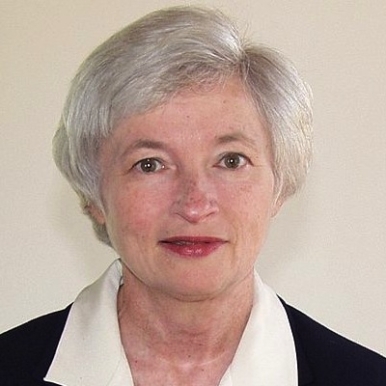
Janet Yellen
Federal Reserve Board of Governors: Vice Chair (2010 - Current)
Federal Reserve Board of Governors: Chair (Nominated)
Class of 1967
Yellen graduated summa cum laude from Brown University in 1967 with a degree in Economics. She went on to hold many prestigious titles in the field of economics, including serving as Chair of the Council of Economic advisers under President Bill Clinton. She was recently nominated by Barrack Obama to become the Chair of the Federal Reserve, if confirmed, she will become the first woman in U.S. history to hold that title.
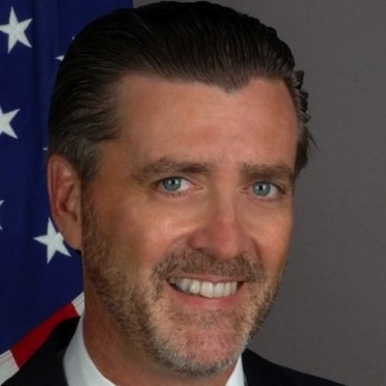
Richard G. Olson
U.S. Ambassador to Pakistan (2012 - Current)
Class of 1981
Ambassador Olson graduated with honors from Brown with 1991 with a degree in law and society. Before being appointed to his current role, he also served as Ambassador to the United Arab Emirates, U.S. Consul General in Dubai, and as Deputy Chief of Mission to the the U.S. Mission to NATO.
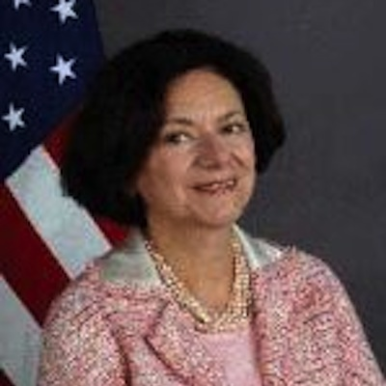
Rosemary DiCarlo
U.S. Deputy Permanent Representative to the United Nations (2010 - Current)
Class of 1969 (M.A. 1971, Ph.D. 1979)
Ambassador Dicarlo has led a very distinguished career in diplomacy following her graduation from Brown University. She has received multiple honors, including the Department of Sate's Sustained Superior Achievement Award. She also served as acting U.S. Ambassador to the UN in July of 2013.
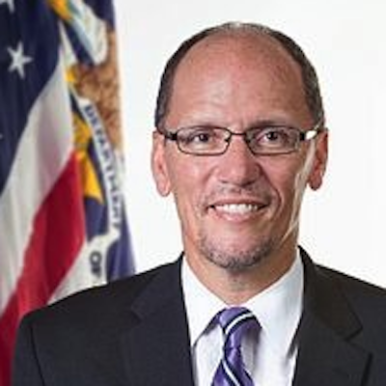
Thomas Perez
U.S. Secretary of Labor (2013 - Current)
Class of 1983
Following his 1983 graduation from Brown, Secretary Perez began a long and distinguished career in the public sector. Before the 2013 appointment to his current role, Perez worked for the Department of Justice as Assistant Attorney General in their Civil Rights Division.
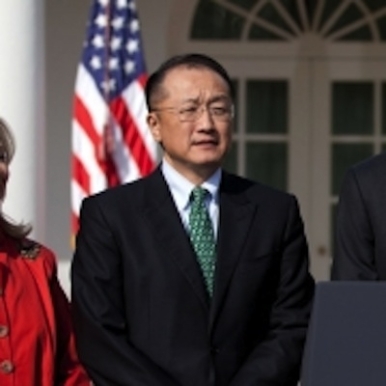
Jim Yong Kim
President of the World Bank Group (2012 - Current)
Class of 1982
Before being elected as the 12th President of the World Bank Group, Dr. Jim Yong Kim was a shining star at Brown. He graduated magna cum laude in 1982, and went on to become a physician and anthropologist, serving as an adviser to the World Health Organization. In 2009, he was named President of Dartmouth College, becoming the first Asian-American to head an Ivy League school.
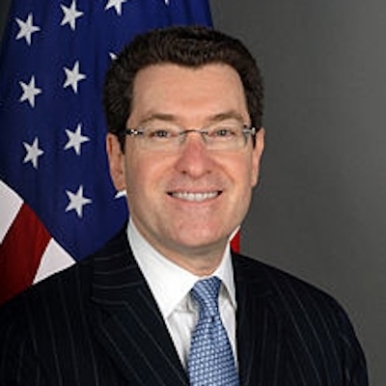
Norman L. Eisen
U.S. Ambassador to the Czech Republic (2011 - Current)
Class of 1985
After graduating with honors from Brown in 1985, Ambassador Eisen went on to study at Harvard Law and was classmates owith future President, Barack Obama. In the private sector, Eisen made a name for himself, earning the distinction as one of Washington's top lawyers by Washingtonian Magazine.
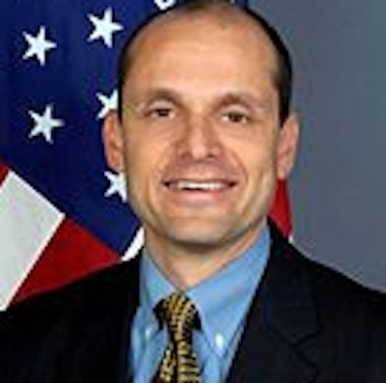
Adam Namm
U.S. Ambassador to Ecuador (2012 - Current)
Class of 1985
Ambassador Namm graduated magna cum laude from Brown in 1985 with a degree in International Relations. He has spent his entire career in foreign service, and was the Acting Director of the Bureau of Overseas Buildings Operations before being appointed to his current post.
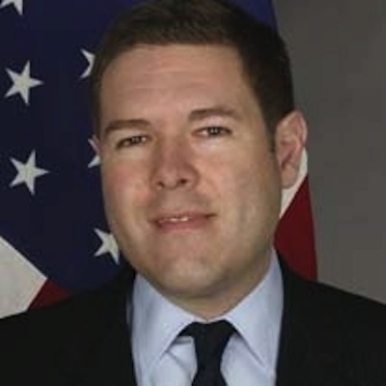
David Wade
Chief of Staff to Secretary of State John Kerry (2013 - Current)
Class of 1997
While at Brown, Mr. Wade was awarded the prestigious Harry S. Truman scholarship. He went on to serve some of this Nation's top leaders, first acting as Joseph Biden's National Spokesman and Communications Advisor. He then became Senator John Kerry's Chief of Staff in 2008, transitioning with the same title in Kerry's new role as Secretary of State.


