


West Nile Virus Found in Rhode Island
GoLocalProv News Team
West Nile Virus Found in Rhode Island
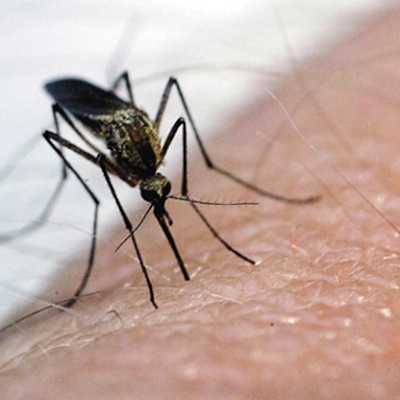
The sample was collected on August 7 in Warren. It is the first finding of the virus in Rhode Island this year.
The Sample
GET THE LATEST BREAKING NEWS HERE -- SIGN UP FOR GOLOCAL FREE DAILY EBLASTThe positive mosquito pool is a species that can bite both birds and humans.
The remaining 105 mosquito samples from traps set have tested negative for both West Nile Virus and Eastern Equine Encephalitis (EEE).
Mosquitoes are trapped weekly by DEM and tested at the RIDOH State Health Laboratories.
Test results are pending for traps set on August 15.
West Nile Virus in RI
To date, in Rhode Island, there have been three findings of EEE in mosquito samples and one finding of WNV. There are no confirmed human cases of EEE in Rhode Island.
The RI DEM offers the following tips for avoiding mosquitos:
- Remove anything around your house and yard that collects water; just one cup of water can produce hundreds of mosquitoes.
- Clean gutters and downspouts to ensure proper drainage, and repair holes in window screens.
- Remove any water from unused swimming pools, wading pools, boats, planters, trash and recycling bins, tires, and anything else that collects water, and cover them.
- Change the water in birdbaths at least two times a week, and rinse out birdbaths once a week.
- Use EPA-approved bug spray with one of the following active ingredients: DEET (20-30% strength), picaridin, IR3535, and oil of lemon eucalyptus or para-menthane-diol. Do not use bug spray on infants under 1 year of age.
- Minimize outdoor activity at dawn and at dusk when mosquitoes are most active.
- Put insect netting over strollers and playpens.
- Wear long sleeves and long pants whenever possible, particularly if you are outdoors during dawn and dusk.
The DEM gives the following tips for protecting animals:
- Remove or cover areas where standing water can collect.
- Avoid putting animals outside at dawn, dusk or during the night when mosquitoes are most active.
- Insect proof facilities where possible and use approved repellants frequently.
- Monitor animals for symptoms of fever and/or neurological signs (such as stumbling, depression, loss of appetite) and report all suspicious cases to a veterinarian immediately. If you are unsure if your horse is properly vaccinated you should consult with your veterinarian.
- Horses are the most susceptible domestic animal, but other, less common species such as ratites (emus, ostriches, etc.) and camelids (alpacas and llamas) are occasionally infected. Owners of ratites and camelids should consult with their veterinarian regarding vaccination of their particular animals.
The Power List - Health and Education, 2016

Inside Man
Russell Carey - A name few outside of Brown’s campus know, but Carey is the power source at the Providence Ivy League institution.
Today, his title is Executive Vice President and he has had almost every title at Brown short of President. Carey is a 1991 graduate of Brown and has never left College Hill.
While Brown’s President Christine Paxson — who is functionally invisible in Rhode Island — is managing alumni affairs and fundraising, Carey is influencing almost everything in Rhode Island.
Top Raimondo Appointment
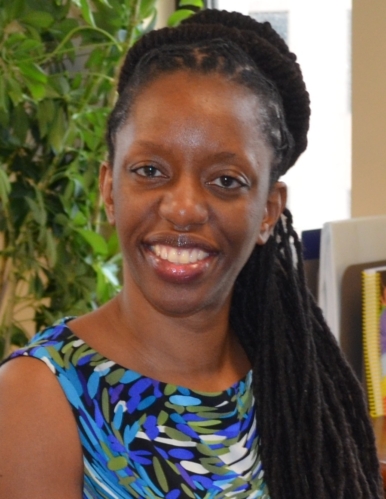
Nicole Alexander-Scott - MD, MPH, and rock star in the making. As Director of the Rhode Island Department of Health, she is fast developing a reputation as someone in the Raimondo Administration who can get things done. Her counsel and leadership on developing a strategy on opioid addiction has been widely been lauded.
In addition, she has handled the mundane - from beach closings to food recalls - with competency. An expert in infectious disease, it may be time for her to become a strong leader on Zika.

The CEO
Ronald Machtley - Bryant University's President rightfully deserves to be on a lot of lists, but what few understand is that Machtley’s influence extends far beyond Bryant’s campus in Smithfield. Machtley could make this list as a business leader or as a political force as much as for education.
Machtley is recognized for transforming Bryant University from a financially struggling regional college to a university with a national reputation for business.
Machtley serves on Amica’s Board and the Rhode Island Foundation, and also serves on the Board of Fantex Brands.
Power Broker
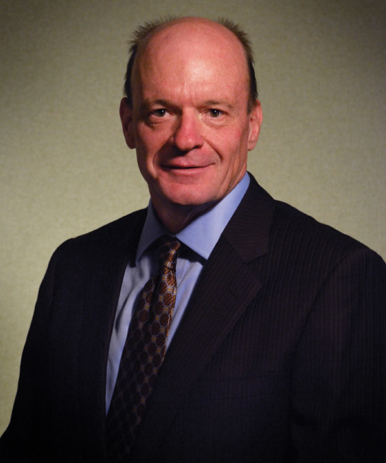
Larry Purtill - While Bob Walsh gets the face time as the Executive Director in the media for the NEA of Rhode Island, NEARI President Purtill tends to be the inside man who gets things done.
The teachers' largest union is formidable, but is still reeling from the beat down it took when Gina Raimondo’s pension reform cut the benefits of teachers disproportionately over other employee groups.
Make no mistake about it - not much happens in education in Rhode Island without Purtill's sign-off.
Visionary
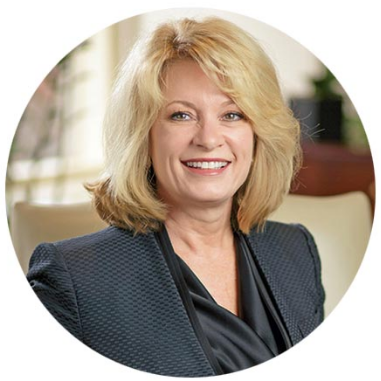
Mim Runey - While Rhode Islanders wait, and wait some more, for development on the 195 land, Johnson and Wale's University's Runey is watching it come to fruition, as JWU is set to open the first completed building on the former Interstate on September 1, when it will host a ribbon cutting for its John J. Bowen Center for Science and Innovation.
Under Runey, JWU continues to establish its foothold as one of the country's top schools for culinary training. Now Runey will oversee the addition of the new building on the old 195 which will house the university's School of Engineering and Design and its biology program.
In 2015, students from the School of Engineering & Design participated in the construction of the Holocaust Memorial on South Main Street, a collaboration between the Jewish Alliance of Greater Rhode Island and the Holocaust Education Resource Center of Rhode Island.
A true community partner in every sense, JWU under Runey's watchful eye is expanding to an even greater presence in Providence.
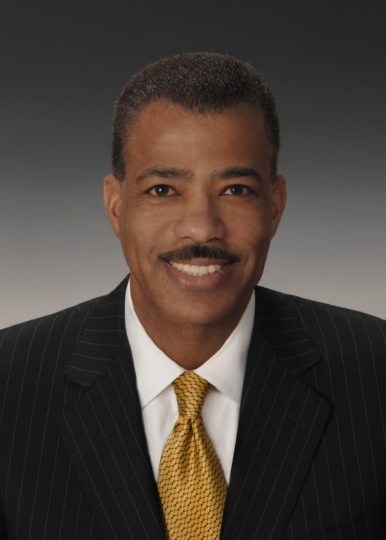
Chairman of the Board
Edwin J. Santos - The former banker is Chairman of the Board of CharterCare, after having been a top executive at Citizens Bank. He has been a board leader for Crossroads, Washington Trust, Rocky Hill School -- you name it and Santos has helped to lead it.
His best work to date just might be at CharterCare, where he has helped the once fledgling hospital (Roger Williams Medical Center) into a growing hospital system.

Lion Tamer
Weber Shill - He serves as the Chief Executive Officer of University Orthopedics, or in other words, dozens and dozens of oh-so-confident docs.
Shill has a background in Engineering and a Masters in Business Administration from the Whitemore School at the University of New Hampshire. Experienced in managing medical groups, but this group is big and influential.
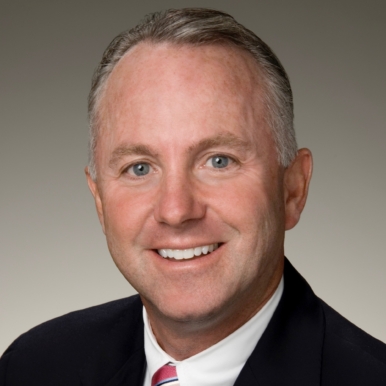
Boss
Timothy Babineau - President and CEO of Lifespan, Rhode Island's biggest healthcare organization, where financial challenges make the job that much more complicated.
Now, the critics (GoLocalProv included) are raising concerns about the multi- billion dollar organization's refusal to make any contribution to the City of Providence. Lifespan is like General Motors, big and hard to innovate the organization.


