


4th Person Dies From EEE in Massachusetts, 11th Human Case Confirmed
GoLocalProv News Team
4th Person Dies From EEE in Massachusetts, 11th Human Case Confirmed
According to MA Health, the person that passed away is an Essex County man in his 70s who was diagnosed with the virus on September 18.
The 11th human case of EEE was found in a man in his 70s from Worcester County.
GET THE LATEST BREAKING NEWS HERE -- SIGN UP FOR GOLOCAL FREE DAILY EBLASTAs a result, the communities of Auburn, Charlton, Dudley, Leicester, Southbridge, and Spencer have been elevated to high risk.
“Although mosquito populations are declining at this time of year, risk from EEE will continue until the first hard frost. We continue to emphasize the need for people to protect themselves from mosquito bites,” said State Epidemiologist Dr. Catherine Brown.
EEE in Massachusetts
According to MA Health, there are 35 communities now at critical risk, 46 at high risk, and 122 at moderate risk for the EEE virus in Massachusetts.
In addition to the 11 human cases of EEE this season in Massachusetts, there have also been eight confirmed cases of EEE this year in animals - seven horses and a goat.
EEE occurs sporadically in Massachusetts with the most recent outbreak years occurring from 2004-2006 and 2010-2012. There were 22 human cases of EEE infection during those two outbreak periods with 14 cases occurring among residents of Bristol and Plymouth counties.
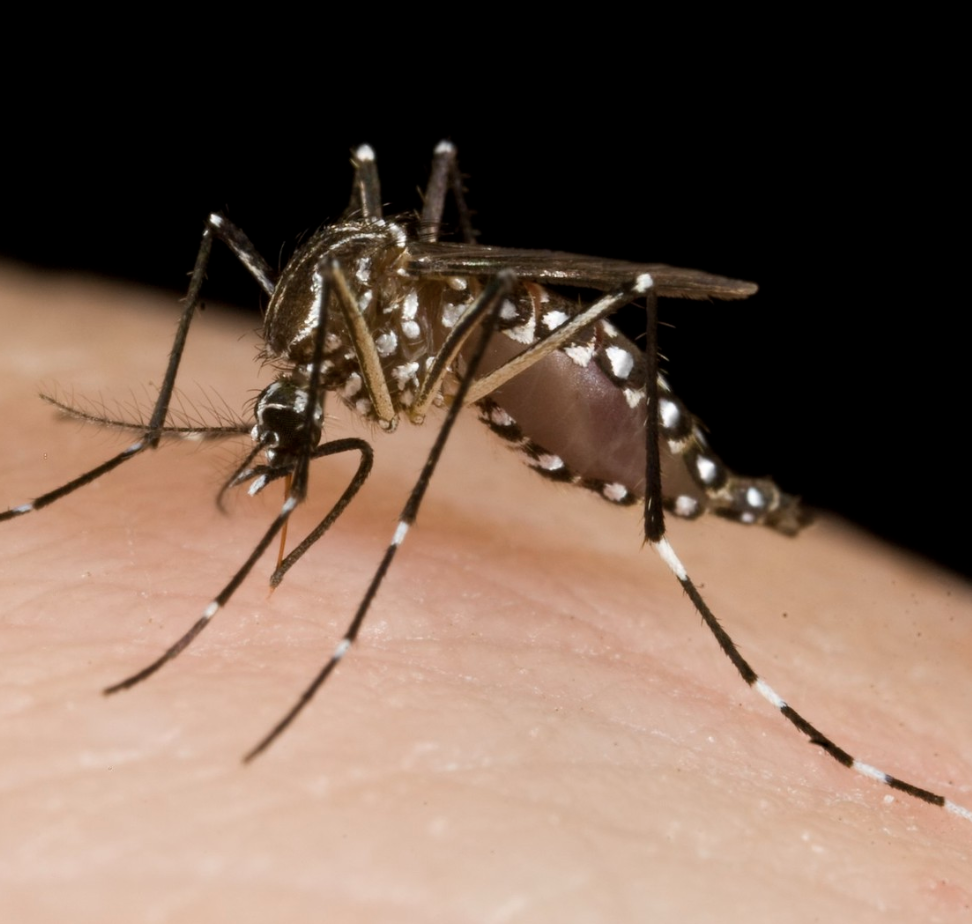
EEE virus has been found in 422 mosquito samples this year, many of them from species of mosquitoes capable of spreading the virus to people. An additional 83 mosquitos have tested positive for West Nile Virus.
Protection
The MA Department of Health offers the following tips for protection:
Be Aware of Peak Mosquito Hours
The hours from dusk to dawn are peak biting times for many mosquitoes. Consider rescheduling outdoor activities that occur during evening or early morning in areas of high risk.
Clothing Can Help Reduce Mosquito Bites
Wearing long-sleeves, long pants and socks when outdoors will help keep mosquitoes away from skin.
Mosquito-Proof Your Home
Drain Standing Water. Limit the number of places around your home for mosquitoes to breed by draining or discarding items that hold water.
Install or Repair Screens. Keep tightly-fitting screens on all of your windows and doors.
Protect Your Animals
Animal owners should reduce potential mosquito breeding sites on their property by eliminating standing water from containers. Horse owners should keep horses in indoor stalls at night to reduce their risk of exposure to mosquitoes. If an animal is suspected of having WNV or EEE, owners are required to report to DAR, Division of Animal Health by calling 617-626-1795 and to the Department of Public Health (DPH) by calling 617-983-6800.