


Colleges and Universities Face a New Financial Disaster
GoLocalProv News Team
Colleges and Universities Face a New Financial Disaster
According to UMass, international students generate an estimated $41 billion of economic impact and support more than 450,000 U.S. jobs.
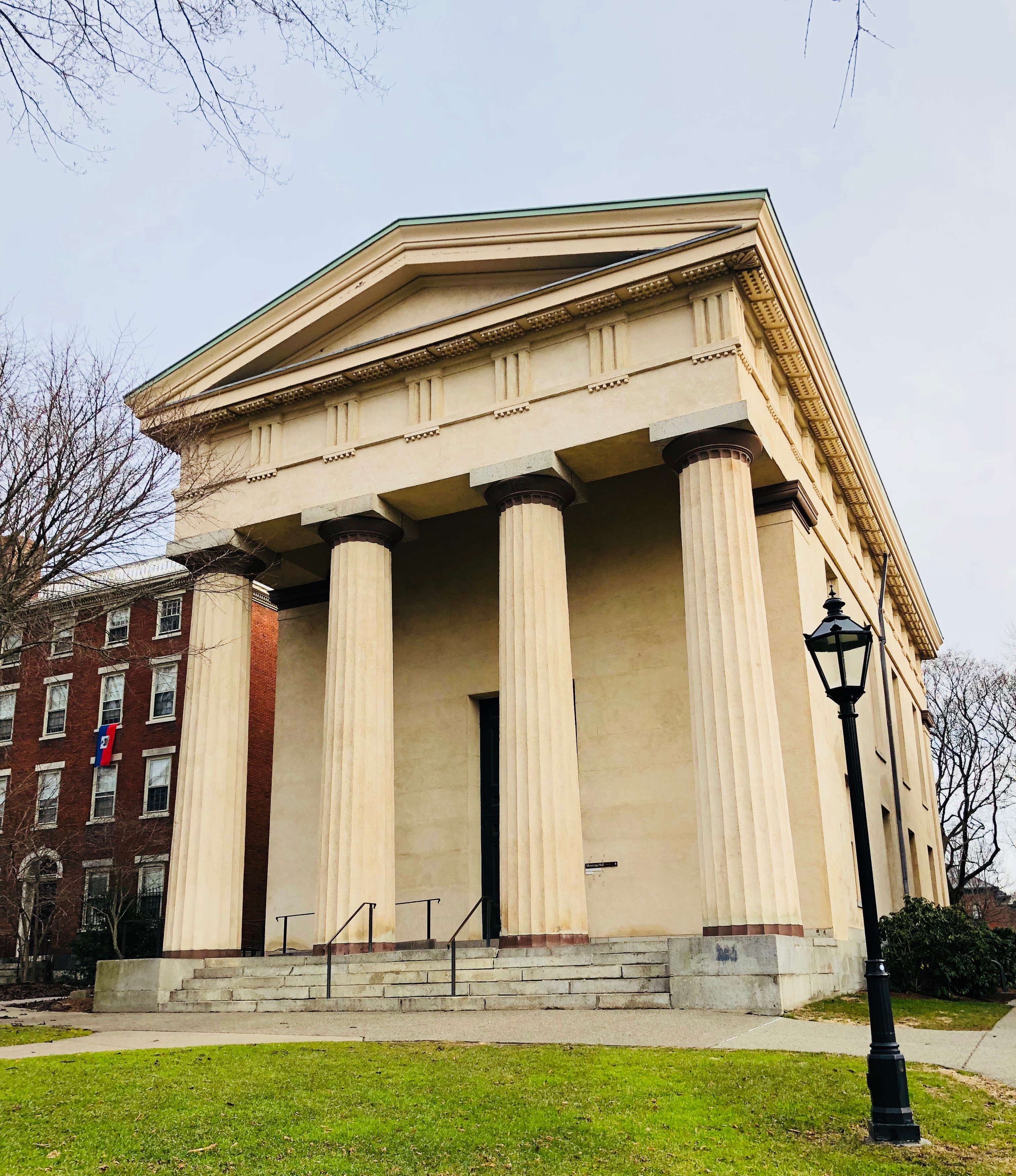
For some Rhode Island colleges and universities, the potential impact is devastating, as the schools will lose millions in revenue tied to paying board for housing and other associated costs. At Brown University, 11% of the student body are international students according to U.S. News and World Report.
GET THE LATEST BREAKING NEWS HERE -- SIGN UP FOR GOLOCAL FREE DAILY EBLASTColleges and universities are already facing financial issues due to lost revenue, rebates and increased costs to create safe campuses to combat the coronavirus.
ICE Directive
ICE issued the following directive this week, “Nonimmigrant F-1 and M-1 students attending schools operating entirely online may not take a full online course load and remain in the United States. The U.S. Department of State will not issue visas to students enrolled in schools and/or programs that are fully online for the fall semester nor will U.S. Customs and Border Protection permit these students to enter the United States. Active students currently in the United States enrolled in such programs must depart the country or take other measures, such as transferring to a school with in-person instruction to remain in lawful status. If not, they may face immigration consequences including, but not limited to, the initiation of removal proceedings.”
The federal policy change drew a strong rebuke by UMass President Marty Meehan.
“The guidance released Monday by Immigration and Customs Enforcement (ICE) creates immense confusion and instability for thousands of international students at the University of Massachusetts, not to mention the million-plus international students across the country,” said Meehan. “Nothing could be more disruptive than reversing course on a policy ICE promulgated in the Spring and Summer to suspend its rules prohibiting online enrollment while the nation’s colleges and universities contend with an ongoing and unprecedented public health emergency,”
Brown University announced that all students have the option for taking all classes online, “Amid the ongoing pandemic, Brown’s plan provides details on changes in modes of instruction, housing, dining and extracurricular activities, as well as the implementation of strict protocols for personal health, distancing, mask-wearing, cleaning and regular testing that will be essential for safeguarding community well-being. All students will be given the option to take courses remotely, whether they are on campus or not, while faculty with health or other concerns have the option to teach, mentor and advise students online in the fall, and employees of Brown who are able to work remotely will continue to do so at least through early fall.” However, Brown is not an online-only university, but first-year students will not be allowed on campus for the first semester and thus, it is unclear how ICE will interpret the Brown plan for the academic year.
“Although I am deeply disappointed that we can’t welcome our first-year students to campus in the fall, we simply don’t think that it is safe to have all undergraduates on campus simultaneously,” Brown President Christine Paxson said. “We hope that by the time the spring term begins, the public health situation will have improved enough that we no longer need a de-densified campus.”
Meehan Condemns the ICE Program
“No public good is served by these threats to deprive thousands of students at the University of Massachusetts from continuing to make valuable and necessary contributions to the economy of the Commonwealth and the prosperity of the nation. International students enrich each of our campuses by exposing our domestic students to global cultures and perspectives. This decision comes at the worst possible time for these students and the university," said Meehan. UMass campuses, like their peers around the country, have developed comprehensive and flexible plans to serve our 75,000 students, including more than 7,000 international students."
"In short, the ICE guidance is cruel to valued members of our community while being counter-productive and destructive to one of the most important institutions we have: American higher education. It must be revoked immediately and the reasonable guidance offered last Spring, which is still the policy at present, should be reinstated," added Meehan.