


I Saw a Dead Horse in the Road - Dr. Ed Iannuccilli
Dr. Ed Iannuccilli, Columnist
I Saw a Dead Horse in the Road - Dr. Ed Iannuccilli
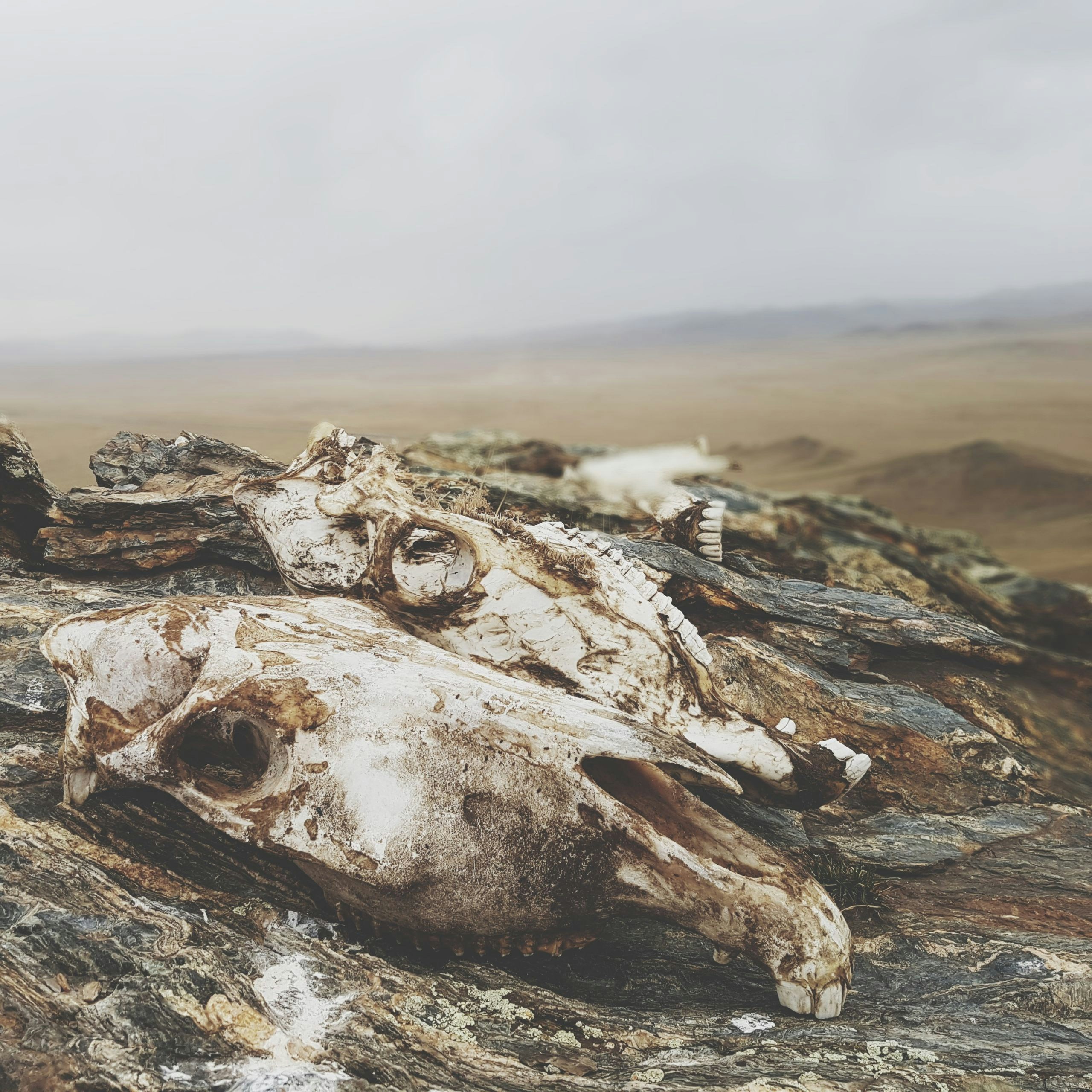
Yes, I once saw a dead horse on the side of the road. Some years ago, I was a visiting professor at the medical school in Guadalajara, Mexico. We were staying just a spit away from the school, so each morning we had to drive in. One morning, I spotted a dead horse alongside the road. The horse was not the twisted, bloody, flattened carcass of the typical roadkill, but rather a thin, skeleton-like animal that died of malnutrition or more likely a disease. Its legs were stiff and straight, its ribs prominent. Though we moved quickly past, the image remained.
On our return trip, the horse had been vaporized and replaced with charred ashes. “What happened?” I asked my host physician.
GET THE LATEST BREAKING NEWS HERE -- SIGN UP FOR GOLOCAL FREE DAILY EBLAST“The authorities came to burn the horse. Most likely, it died of some disease. The nearby people would eat that horse, so it was burned.”
I was stunned. Here I was coming from the school where I was hosted, and albeit fed so well, and along the way, I was confronted by the stark reality of starvation where the locals were willing to take the chance on a sickly horse. For me to be confronted with the fact that a diseased dead animal was a means to survival was difficult.
And just down the road was the place where people came for help, the hospital.
“There is not much we can do,” he said. “There is neither work nor resources. These people are poor and starving, and we cannot help them.” He slumped lower in the seat. “That is why people are leaving our country They’re dying.” It froze me that day forty years ago. And it brought me to today.
I am watching the news and people starving because of war. The impact of war on food security is devastating, affecting the most vulnerable of course; especially children and the elderly, and not those who make the decisions. Humanitarian organizations are facing huge challenges in getting food for those in need.
Forty years ago, I sped by that horse and propelled myself by the explanation my doctor friend gave me as to why it had to be burned. These days, I pause. This time I didn’t change the channel because propelling past was not the answer. I had to do something. I did and continue to do so.
Depending on resources, skills, and preferences, there are many ways you can help those in need; donate, volunteer, advocate, and educate. Ask a food bank, religious organization, or soup kitchen, or look for volunteer opportunities, advocacy groups, programs, and leaders. Check credible websites. There are many.
The idea of someone eating a dead, diseased horse was stunning. The thought of innocent people starving because their so-called leaders cannot figure out how to live peacefully enough to help them is appalling.
Something needs to change.