


UPDATED: RI Officials Announce Aerial Spraying to Combat EEE - SEE MAP
GoLocalProv News Team
UPDATED: RI Officials Announce Aerial Spraying to Combat EEE - SEE MAP
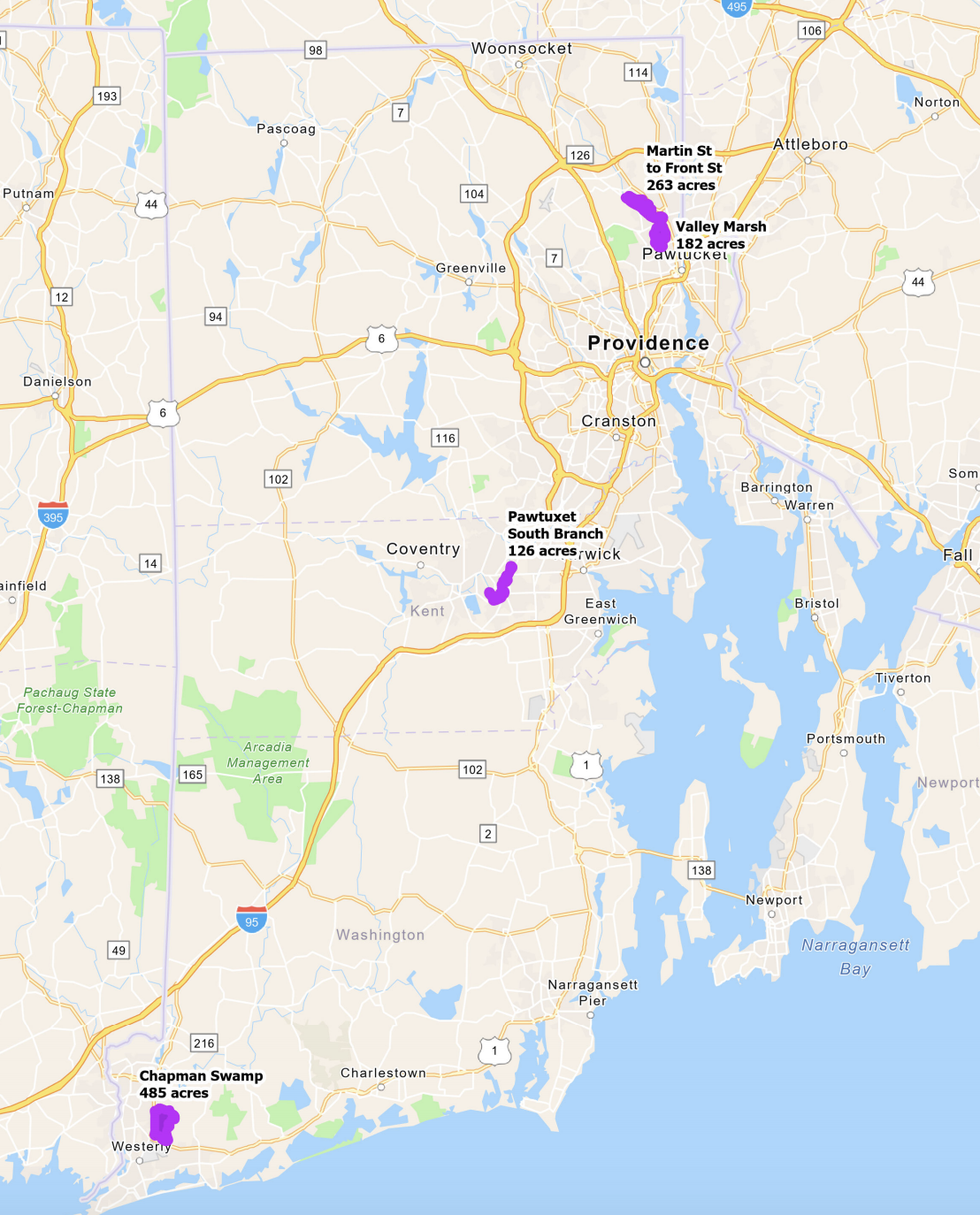
The locations are Chapman Swamp in Westerly, the town where two Eastern Equine Encephalitis (EEE) mosquito detections and one transmission in a horse have occurred; the South Branch area of the Pawtuxet River in West Warwick, in the vicinity of the state’s first human case of EEE; and the Valley Marsh area surrounded by Lincoln, Cumberland, and Central Falls, the city where the state’s first two EEE detections were announced August 15.
Thursday’s flights depend on weather conditions, which must be calm.
GET THE LATEST BREAKING NEWS HERE -- SIGN UP FOR GOLOCAL FREE DAILY EBLASTSEE MAP OF SPRAYING AREAS BELOW
As announced August 30 and September 3, the latest trapping detections of mosquito disease reaffirm the need for increased use of pesticides, and the state has been making all necessary preparations for conducting campaigns to kill both larval and adult mosquitoes. “Larviciding” refers to the application of a product that kills mosquito larvae before they mature into adults. The aerial application to be done tomorrow affects all mosquito species and reduces risks for both EEE and West Nile Virus (WNV) infections.
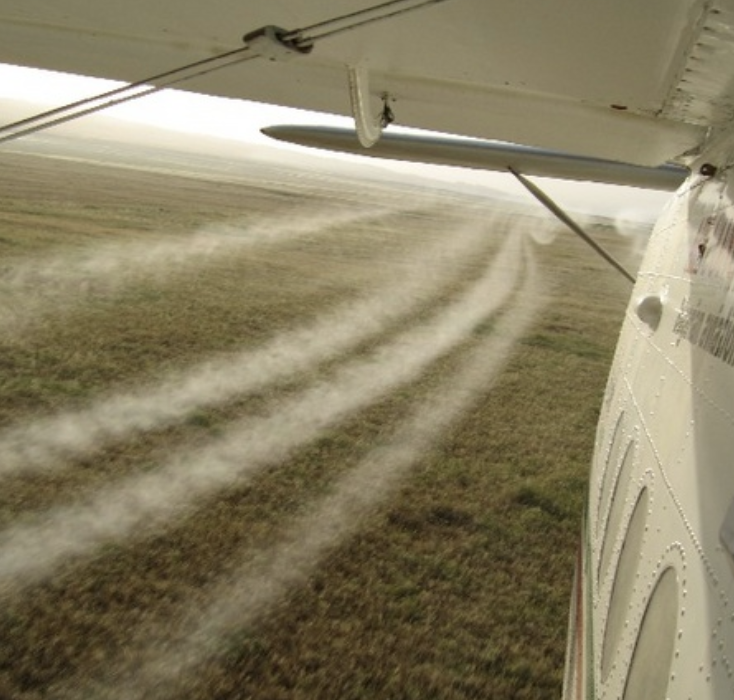
According to state officals, the product being used in the applications is called Bti, a naturally-occurring bacterium that comes in a granular form. The EPA has concluded through a variety of studies that Bti does not pose a risk to humans. Bags of Bti will be loaded onto a helicopter, which disperses the granules/pellets with precision in swamps and other breeding habitats to control mosquitoes breeding. Bti produces toxins that specifically affect the larvae of only mosquitoes, black flies and fungus gnats. These toxins do not affect other types of insects including honey bees. It is approved for pest control in organic farming operations.
Previous recommendations from RIDOH remain in effect and are related to the prevention of both EEE and WNV. On Monday of last week, RIDOH recommended to schools and municipal leaders that games, practices, and other outdoor activities scheduled to occur during early morning or dusk hours be rescheduled to earlier in the afternoon or relocated to an indoor venue. The “smart scheduling” of events is intended to help minimize the risk of mosquito bites for players, coaches, and spectators. RIDOH recommends that smart scheduling stay in effect for the remainder of the mosquito season, which typically ends in mid-October (after the first hard frost).
For more information about DEM divisions and programs, visitwww.dem.ri.gov. Follow us on Facebook atwww.facebook.com/RhodeIslandDEM or on Twitter (@RhodeIslandDEM) for timely updates.
Visit http://www.health.ri.gov/mosquito for additional mosquito prevention tips, videos, and local data. For more information about DEM divisions and programs, visit www.dem.ri.gov. Follow us on Facebook at www.facebook.com/RhodeIslandDEM or on Twitter (@RhodeIslandDEM) for timely updates.