


Rhode Island Political Fundraising Reports - Experts Weigh In
Kate Nagle, GoLocal Contributor
Rhode Island Political Fundraising Reports - Experts Weigh In
The 2nd quarter fundraising numbers are now public for the candidates for the 2014 races and the top political experts tell GoLocalProv the impact of the early money.
Darrell West of the Brookings Institute, Gary Sasse of Bryant University, Jen Duffy of the Cook Report, Wendy Schiller of Brown University and Victor Profughi of Rhode Island College all weigh in to handicap the races.
GET THE LATEST BREAKING NEWS HERE -- SIGN UP FOR GOLOCAL FREE DAILY EBLAST
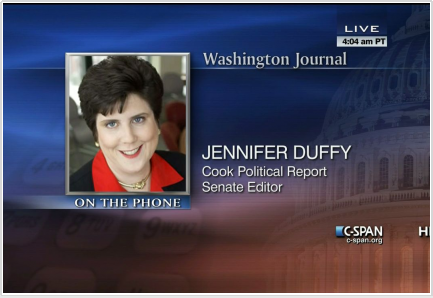
"Having the biggest war chest suggests a lot of hard work by the candidate. Campaign contributions don't come out of nowhere. Candidates expend a lot of sweat equity to earn them. A big war chest also suggests momentum and means that the candidate is in good shape for the race since they will be able to can fund their campaign budget, as opposed to living hand to mouth. The general public sees the numbers and sees who is ahead and who is behind in the money race, but overall it doesn't mean much to them.
The biggest fundraisers don't always win, although this largely applies to challengers. In 2010, Republican Meg Whitman spent $150 million and still lost the California Governor's race. Any candidate needs enough money to be competitive and that threshold varies from state to state and from race to race. Once a candidate reaches that threshold, the rest is gravy. It becomes the difference between having a campaign that is a Cadillac and one that is a Kia.
Money is money; it all buys the same thing. Out-of-state money generally doesn't matter much to voters unless the candidate's opponents or the media can somehow make a credible argument that it is tainted. The reality is, though, that there is probably not enough donor money in RI to support all three Democratic candidates. The other reality is that compared to a majority of other states, RI's contribution limits are very low. The limits aren't keeping up with the cost of running a campaign.
[It is] difficult for third party and independent candidates to raise money. They don't have a natural donor base or an institutional one that political parties provide. There are a couple problems for [Ken] Block if he runs as a Republican. First, he isn't guaranteed the nomination and Fung has a better base. Second, in order for the Moderate Party to stay viable and ballot qualified, a statewide candidate needs to get 5 percent of the vote. If Block runs as a Republican, how does he accomplish that, or is he saying that he is willing to give up on the Moderate Party? I think Block has a decent push back if he does run -- it's hard to change the system from the outside, so as much as he might not like it, he has to be on the inside and that means running as a Republican."
Duffy also addressed the relatively low fundraising numbers of Governor Chafee at this time.
"Chafee is a great example of how not having a party (at least before the end of May) hampers fundraising. Still, the fact that he raised just under $70,000 suggests that he didn't get a bump from his party switch. Yes, he can write a personal check, but there is a saying in politics, "You don't buy the same real estate twice." In other words, as an incumbent Governor, even an independent one, Chafee shouldn't have to fund his own re-election campaign; the money should be there. I only know one politician who decided to forego fundraising and self-fund all of his campaigns. That is former Democratic Sen. Herb Kohl of Wisconsin, but Kohl, who owns the Milwaukee Bucks among other things, has a significantly higher net worth than Chafee."
"To the general public, [the fundraising amounts] might not mean a heck of lot. You don't raise a lot of money because you want to influence the public at this point. I don't think it makes much difference as to what happens next November.
Having a huge war chest early on can scare candidates off. It could make a difference on the Republican side. It would be more of a plus for a Block than a Fung. Fung might be deciding whether to enter the race. He wouldn't be frightened out of a Republican race, but Block's trying to establish himself.
In Block's case, it could be helpful to keep other Republican candidates out.. And having not declared, Fung might wait it out. Block, deciding to keep a Republican option, it might discouraging other candidates.
It's certainly a factor, but well worth keeping in mind the first hurdle a candidate jumping across is a primary. Money is much valuable deterring opponents than geared to the general.
Out of state money flows in if the candidate knows out-of-starters with money, connections. Second, if you get a big name person such as an Obama, that opens channels. Third, out of state money flows by the nature of the office, with Gina making investments, those investments are made across state borders. Backers will give.
I think that Block has obstacles with his potential run. If he goes Republican, people will ask why did he go through all this trouble to create a third party. Also, could he convince Republicans? The public? It's untested waters.
I think the average voter doesn't care about any of this stuff. The average voter is more interested in getting their paycheck tomorrow, and having a beer with their favorite TV show."
Wendy Schiller, Brown University
"It is still a long way off until the primary but having more money now is a signal to contributors and voters that people are taking a candidate seriously and that they will have the money to fund voter registration drives, get out the votes, and buy TV and radio ad time.
The biggest fundraisers do not always win. Incumbency is a huge advantage because you get free press and you have the opportunity to do things for voters - all three big names in the Dem primary are incumbents in their own office, but only Governor Chafee is the incumbent governor. That may come into play later.
In Rhode Island, funding from out of state can be a blessing and curse. It can be a blessing because we are a small state, and candidates need to expand their fundraising pool to raise money. However it can be a curse because RIers can distrust outside source money. If candidates rely on it, they would be smart to diversify the sources so they are not portrayed as captured by an single outside interest.
If you have personal wealth, or are close to wealthy contributors who are independents then it is less difficult to raise money but the big challenge for 3rd party candidates is that they do not have the party infrastructure or control of government offices both of which are used to win support and mobilize voters. For Block, who has made his name as an outsider with integrity and independence, I think switching to the GOP would be a hard sell to RI voters. He may raise more money but then he would have to align himself with the national GOP which is more conservative than most RI voters. I also think his likely main rival in the RI GOP - Allan Fung - is a well respected mayor who is Republican but is viewed to be more moderate on social issues - he could make the case he would be a more successful statewide candidate for Governor."
Darrell West, Brookings Institute
"Having the biggest war chest doesn’t translate into victory. There are a number of large spenders in Rhode Island history who have lost elections. It is important not just to have ample financial resources, but to have a compelling message. All the money in the world won’t compensate for a candidate or message that people don’t like. It is important to have enough money to get your message out and defend yourself from opponent criticisms.
Gary Sasse, Bryant University
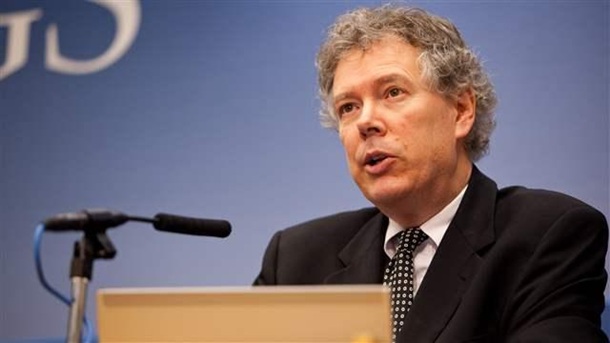
"When you look at the amounts of money being raised, you have to be concerned about the level of power special interests are exerting at the expense of public interest."