


The Most Charitable Communities in Rhode Island
Stephen Beale, GoLocalProv News Contributor
The Most Charitable Communities in Rhode Island
The data, which ranks communities on the basis of how much of the median discretionary income is donated, shows that charitable giving varies widely across the state. Generosity does not necessarily correspond with geography, income levels, or the population density in a given community, according to the data, which is from 2008, the latest available year. Communities were identified on the basis of their ZIP Codes, sometimes corresponding to villages within a town and others encompassing whole cities. (See below slides for the full list.)
Most generous community is one of poorest
GET THE LATEST BREAKING NEWS HERE -- SIGN UP FOR GOLOCAL FREE DAILY EBLASTThe most generous community in the state also is among one of its poorest: it is comprised of portions of the West End, Elmwood, the Reservoir Avenue area, and even a slice of Upper South Providence—all of which belong to the 02907 ZIP Code. Median discretionary income in this area is just $36,029, but the typical resident donates $1,270 of this—nearly 5 percent—to charity.
The next most charitable community, Kingston, has nearly double the median discretionary income—$68,895—and donates at a slightly lower percentage rate (4.94 versus 4.97 percent).
Barrington does have a median discretionary income that is more than double that of Central Falls—$77,050 to $37,257—yet both communities give at similar rates, with Barrington barely edging Central Falls out at a rate of 3.36 percent donated to 3.25 percent.
Key to generosity: the urban environment
One of the state’s leading nonprofits told GoLocalProv that a number of factors influence how much a person donates to charitable causes, such as theirs. “There are a lot of different reasons why people share their resources of time, money, and advocacy. For many, community involvement and charitable giving represent who they are and what they value,” said Anthony Maione, the President and CEO of United Way of Rhode Island.
But in comparing one community to another, one factor that explains greater generosity is whether the community is urban or rural, according to Stacy Palmer, the editor of the Chronicle of Philanthropy, which analyzed the federal income data for all 28,725 available ZIP Codes in the United States. Palmer said the wealthy residents of cities tend to give more because they are more likely to come into contact with those who are struggling.
That might explain, for example, why residents of the East Side donate at a higher rate than East Greenwich residents, despite the latter having a higher level of median discretionary income.
Local nonprofit leaders said small donors are an important part of their fundraising efforts.
“We are lucky to work with donors—big and small—from across the entire state. In fact, that’s the value of a community foundation: the ability to pool philanthropy from many sources for the permanent benefit of the community at large,” said Jessica David, the Vice President of Strategy and Community Investments at the Rhode Island Foundation.
“That money represents generosity—regardless of the donation size. Donors capable of making large gifts are important to our work, but so are the donors who give what they can weekly through payroll deduction as part of our Annual Campaign,” Maione said. “We rely on the support of donors of all sizes in order to continue moving the needle forward to make Rhode Island the best it can be.”
What makes South Kingstown different
The story of Kingston, which ranked as the second-most charitable community, suggests that other factors influence local generosity. Ella Whaley, the president of the town council in South Kingstown, said Kingston is representative of the whole town. “It is a truly giving town that I live in,” Whaley said.
South Kingstown, she said, has a strong community of active civic organizations, like the Elks Lodge 1899, of which she is a member. In a given month, she said the Elks might hold as many as two dozen events to benefit the community. Another is Veterans of Foreign Wars Post 916, which held a fundraiser last month to benefit the state home for veterans in Bristol and Operation Stand Down Rhode Island, which helps wounded soldiers.
South Kingstown also has a number of community organizations devoted to those in need, such as the Johnnycake Center, which provides food, clothing, and household items for local families and individuals. Thundermist, a community health care center, also has a facility in Wakefield.
“We are a town rich in resources for people in need,” Whaley said.
The sense of community and commitment to charity come hand in hand, Whaley suggested. The sense of community in South Kingstown is enhanced by its many villages, according to Whaley. South Kingstown, with a population of just over 30,000, consists of ten smaller villages, including Kingston, Wakefield, Peace Dale, Snug Harbor, and Matunuck.
When asked to sum up what makes South Kingstown different, Whaley responded: “The people that live here in our community.”
The charm of Newport: Generosity as gratitude
Newport ranked third in the state, with the typical resident contributing 4.52 percent of his income to charity. In all, Newport contributed $9.5 million to charity in 2008, the data shows.
Over the last century, the city has benefited from an influx of wealthier residents drawn to the city for its historic homes, beaches and coastal lifestyle, and lively arts and cultural scene, according to Beth and Mike Cullen. The couple is active in their community: Beth Cullen is the president of The Point Association, a neighborhood group, and her husband, Mike, is a retired software architect from IBM who runs the Knowing Newport blog.
The new residents tend to have a strong sense of civic responsibility. When they find it more difficult to become involved in municipal government, they redirect their energies to community organizations like churches, art museums, and the historical and preservation societies, among many others, Mike Cullen said.
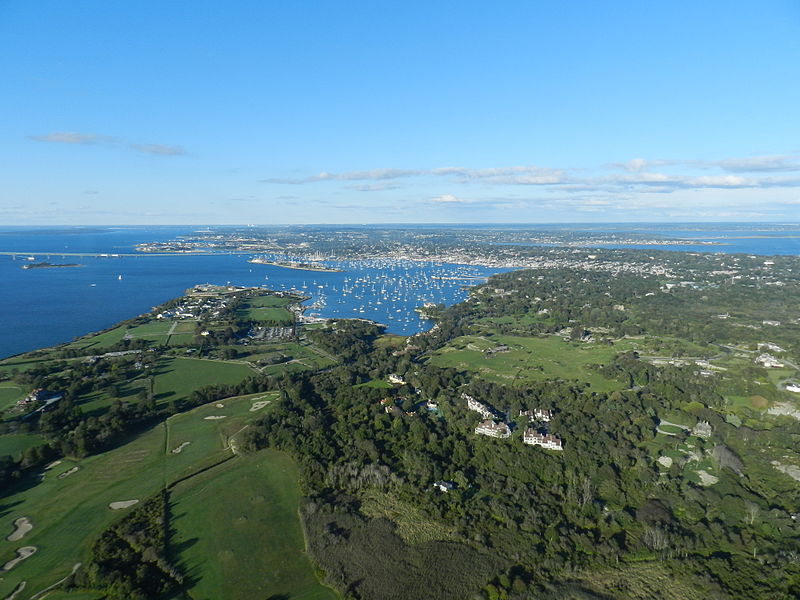
Newport’s poverty is a readymade opportunity for its wealthier residents to give back, according to the Cullens. Even though some of the newcomers may be only seasonal residents—a demographic that accounts for an estimated 25 percent of The Point Association members—they remained invested emotionally—and financially—in their communities year-round, the Cullens say.
Beth Cullen attributes it to a sense of gratitude many transplants have for their new homes. “People really feel lucky to be here,” she said. “I think [they just] want to give back.” People who buy historic homes in Newport, she said, tend to be more interested in the surrounding community than someone who builds a McMansion elsewhere, she added.
Charitable giving: Why Rhode Island lags nationally
Overall, Rhode Islanders made $350.9 million in charitable contributions—roughly equivalent to half the entire budget for a city like Providence. However, Rhode Island ranks 46th in the nation for charitable giving, according to the Chronicle of Philanthropy. On the upside, Rhode Island is ahead of every other New England state except Connecticut, which is 45th.
“Rhode Island ranks poorly for charitable giving. Looking back, we have lagged the national average of household giving for far too long,” said David. “A combination of factors influence giving, including incomes and wealth, cost of living, tax burden, religious involvement, the economy, educational attainment and home ownership. We believe that a combination of those factors has combined to result in Rhode Island’s low ranking.”
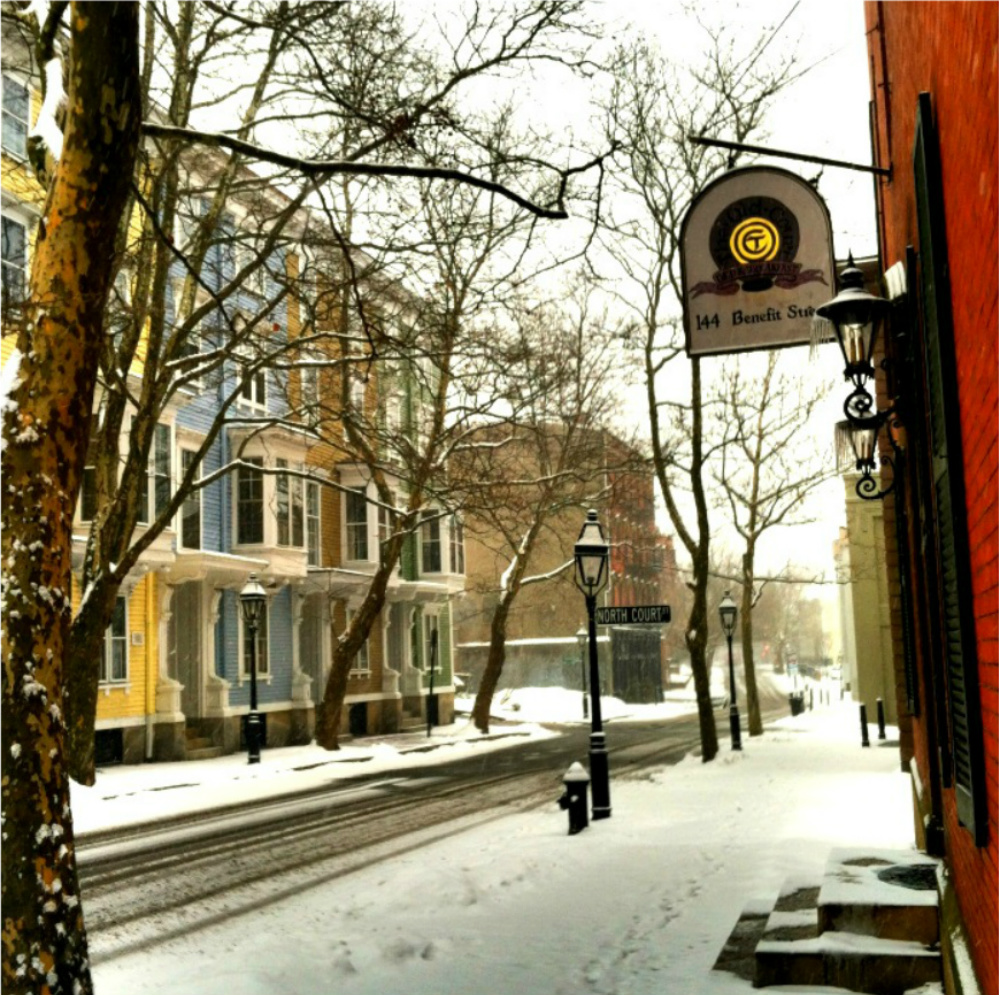
Then again, Rhode Island itself is the most Catholic state in the country (depending on which study you read it could be first or second). But Palmer, who grew up in Connecticut, said many Catholics in the Northeast are alienated from the Church because of the recent sex abuse scandals.
“The economy is also an important part of it,” added Palmer.
Rhode Island’s recovery from the recession has certainly been slower than most—an unpleasant truth driven home by last month’s news that the state is now tied with Nevada for the highest unemployment rate in the nation.
How to boost charity in Rhode Island
Rhode Island may be out-giving most other New England states, but local philanthropy advocates say the Ocean State can and should do better. “We definitely want to see higher levels of philanthropy in Rhode Island. This will require educating people about opportunities for giving, eliminating barriers, and instilling a culture of giving,” David said.
Advocates say engaging with young people is crucial to expanding charitable giving in Rhode Island.

“One challenge faced by older community agencies—particularly the community centers—is finding appropriate ways to better engage young people as donors and board members. This city [Providence] is teeming with ambitious college students and 20-somethings and, sadly, is teeming with many agencies that are precarious in both funding and programming,” Lawlor said. “The boards of community and recreation centers need to find a way to better engage and involve young people.”
“Today’s volunteers and project managers could be tomorrow’s donors and board members,” Lawlor said. “Shut out the youth, shut out the future.”
Lawlor has previously warned that a number of “excellent community programs”—such as New Urban Arts, Community Music Works, Sophia Academy, and San Miguel School—have had to turn people away because of limited capacity—a problem that he says can be linked to Rhode Island’s small donor pool.
For people who want to give more, Lawlor has a simple tip: “Promising to donate $10, $15, $30 dollars over a month adds up over the course of the year for an organization’s bottom line. For smaller local agencies, or for those involved with international work, a little money can have a big impact.”
“There is a precarious architecture of awesome in the Providence community. Without continuing active and sustained volunteers of time and treasure, the great work of so many art and community empowerment organizations will be threatened,” Lawlor said.
Stephen Beale can be reached at sbeale@golocalprov.com. Follow him on Twitter @bealenews
The Most and Least Charitable Communities in RI
#72
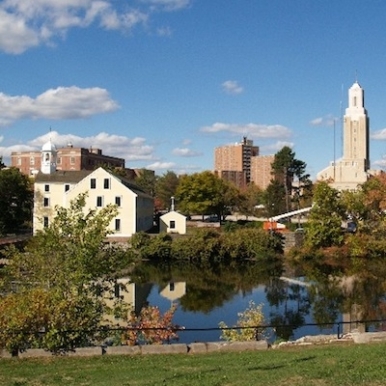
Pawtucket (city center)
Zip Code: 02862
Total Contributions: $12,678
Median Contribution: $497
Median Income: $36,005
Percent of Income Given: 1.38%
State Ranking: 72 out of 72
#71
Wood River Junction (Richmond)
Zip Code: 02894
Total Contributions: $101,921
Median Contribution: $888
Median Income: $51,379
Percent of Income Given: 1.73%
State Ranking: 71 out of 72
#70
Glendale (Burrillville)
Zip Code: 02826
Total Contributions: $188,260
Median Contribution: $1,018
Median Income: $48,081
Percent of Income Given: 2.12%
State Ranking: 70 out of 72
#69
Harrisville (Burrillville)
Zip Code: 02830
Total Contributions: $1,606,380
Median Contribution: $1,197
Median Income: $53,846
Percent of Income Given: 2.22%
State Ranking: 69 out of 72
#68
Slatersville (North Smithfield)
Zip Code: 02876
Total Contributions: $359,187
Median Contribution: $1,149
Median Income: $51,040
Percent of Income Given: 2.25%
State Ranking: 68 out of 72
#67
Pascoag (Burrillville)
Zip Code: 02859
Total Contributions: $1,209,022
Median Contribution: $1,113
Median Income: $48,825
Percent of Income Given: 2.28%
State Ranking: 67 out of 72
Photo: Flickr/Lara Mercer Photography
#66
Carolina (Richmond and Charlestown)
Zip Code: 02812
Total Contributions: $436,741
Median Contribution: $1,411
Median Income: $61,702
Percent of Income Given: 2.29%
State Ranking: 66 out of 72
#65
Mapleville (Burrillville)
Zip Code: 02839
Total Contributions: $378,041
Median Contribution: $1,359
Median Income: $56,568
Percent of Income Given: 2.4%
State Ranking: 65 out of 72
#64
Manville (Lincoln)
Zip Code: 02838
Total Contributions: $432,246
Median Contribution: $1,129
Median Income: $46,394
Percent of Income Given: 2.43%
State Ranking: 64 out of 72
#63
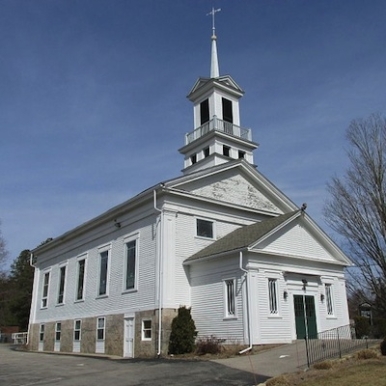
Hope Valley (Hopkinton)
Zip Code: 02832
Total Contributions: $1,357,534
Median Contribution: $1,368
Median Income: $54,735
Percent of Income Given: 2.5%
State Ranking: 63 out of 72
#62
Tiverton
Zip Code: 02878
Total Contributions: $4,728,358
Median Contribution: $1,391
Median Income: $54,877
Percent of Income Given: 2.53%
State Ranking: 62 out of 72
#61
Ashaway (Hopkinton)
Zip Code: 02804
Total Contributions: $715,299
Median Contribution: $1,285
Median Income: $50,519
Percent of Income Given: 2.54%
State Ranking: 61 out of 72
#60
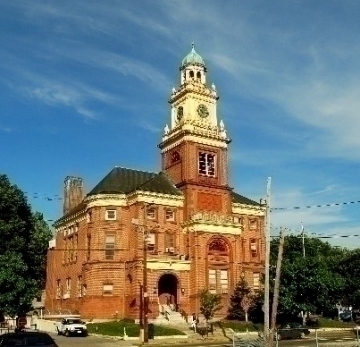
Cumberland
Zip Code: 02864
Total Contributions: $12,214,097
Median Contribution: $1,525
Median Income: $58,918
Percent of Income Given: 2.59%
State Ranking: 60 out of 72
#59
North Smithfield
Zip Code: 02896
Total Contributions: $3,633,966
Median Contribution: $1,545
Median Income: $59,407
Percent of Income Given: 2.6%
State Ranking: 59 out of 72
#58
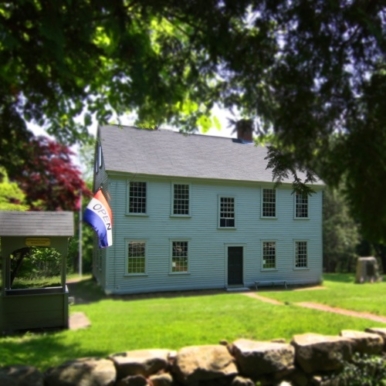
Coventry
Zip Code: 02816
Total Contributions: $9,099,124
Median Contribution: $1,337
Median Income: $51,167
Percent of Income Given: 2.61%
State Ranking: 58 out of 72
#57
Chepachet (Glocester)
Zip Code: 02814
Total Contributions: $2,192,911
Median Contribution: $1,382
Median Income: $52,165
Percent of Income Given: 2.65%
State Ranking: 57 out of 72
#56
Johnston
Zip Code: 02919
Total Contributions: $7,263,569
Median Contribution: $1,280
Median Income: $47,107
Percent of Income Given: 2.72%
State Ranking: 56 out of 72
#55
Foster
Zip Code: 02825
Total Contributions: $1,764,204
Median Contribution: $1,513
Median Income: $55,644
Percent of Income Given: 2.72%
State Ranking: 55 out of 72
#54
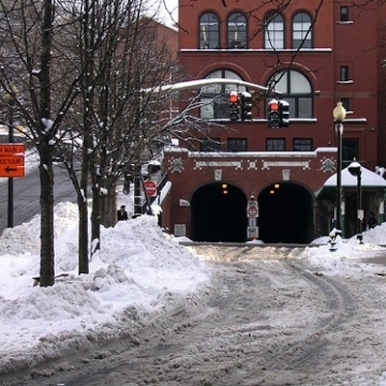
Hope (Scituate)
Zip Code: 02831
Total Contributions: $1,588,587
Median Contribution: $1,709
Median Income: $62,125
Percent of Income Given: 2.75%
State Ranking: 54 out of 72
#53
Charlestown
Zip Code: 02813
Total Contributions: $2,846,869
Median Contribution: $1,492
Median Income: $54,088
Percent of Income Given: 2.76%
State Ranking: 53 out of 72
#52
Warren
Zip Code: 02885
Total Contributions: $2,609,226
Median Contribution: $1,418
Median Income: $51,360
Percent of Income Given: 2.76%
State Ranking: 52 out of 72
#51
Wyoming (Richmond and some of Hopkinton)
Zip Code: 02898
Total Contributions: $658,202
Median Contribution: $1,409
Median Income: $50,832
Percent of Income Given: 2.77%
State Ranking: 51 out of 72
#50
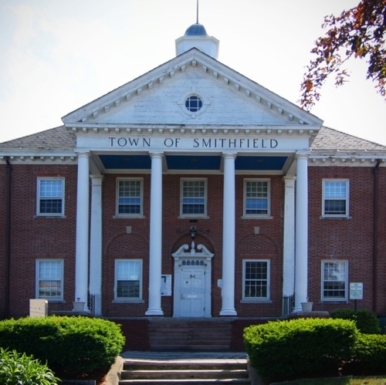
Smithfield
Zip Code: 02917
Total Contributions: $4,252,935
Median Contribution: $1,575
Median Income: $56,568
Percent of Income Given: 2.78%
State Ranking: 50 out of 72
#49
Warwick (eastern side of city)
Zip Code: 02889
Total Contributions: $7,947,858
Median Contribution: $1,245
Median Income: $44,574
Percent of Income Given: 2.79%
State Ranking: 49 out of 72
#48
West Greenwich
Zip Code: 02817
Total Contributions: $2,459,855
Median Contribution: $1,735
Median Income: $61,675
Percent of Income Given: 2.81%
State Ranking: 48 out of 72
#47
West Kingston (South Kingstown)
Zip Code: 02892
Total Contributions: $1,955,448
Median Contribution: $1,725
Median Income: $60,949
Percent of Income Given: 2.83%
State Ranking: 47 out of 72
#46
Greene (Coventry)
Zip Code: 02827
Total Contributions: $686,482
Median Contribution: $1,563
Median Income: $55,164
Percent of Income Given: 2.83%
State Ranking: 46 out of 72
#45
Pawtucket (around Newport Ave.)
Zip Code: 02861
Total Contributions: $4,157,732
Median Contribution: $1,182
Median Income: $41,533
Percent of Income Given: 2.85%
State Ranking: 45 out of 72
#44
Bradford (Hopkinton and Westerly)
Zip Code: 02808
Total Contributions: $390,672
Median Contribution: $1,392
Median Income: $48,646
Percent of Income Given: 2.86%
State Ranking: 44 out of 72
#43
Albion (Lincoln)
Zip Code: 02802
Total Contributions: $166,576
Median Contribution: $1,030
Median Income: $35,429
Percent of Income Given: 2.91%
State Ranking: 43 out of 72
#42
North Scituate (Scituate)
Zip Code: 02857
Total Contributions: $3,986,914
Median Contribution: $1,668
Median Income: $57,287
Percent of Income Given: 2.91%
State Ranking: 42 out of 72
Note: Data is from 2008 tax returns, the latest available at time of study.
#41
Greenville (Smithfield)
Zip Code: 02828
Total Contributions: $3,058,124
Median Contribution: $1,765
Median Income: $59,811
Percent of Income Given: 2.95%
State Ranking: 41 out of 72
#40
Woonsocket
Zip Code: 02895
Total Contributions: $4,030,488
Median Contribution: $1,246
Median Income: $42,081
Percent of Income Given: 2.96%
State Ranking: 40 out of 72
#39
North Providence
Zip Code: 02911
Total Contributions: $3,180,446
Median Contribution: $1,301
Median Income: $43,857
Percent of Income Given: 2.97%
State Ranking: 39 out of 72
#38
Lincoln
Zip Code: 02865
Total Contributions: $9,444,846
Median Contribution: $1,867
Median Income: $62,526
Percent of Income Given: 2.99%
State Ranking: 38 out of 72
#37
Rumford (East Providence)
Zip Code: 02916
Total Contributions: $3,402,377
Median Contribution: $1,603
Median Income: $53,117
Percent of Income Given: 3.02%
State Ranking: 37 out of 72
#36
Riverside (East Providence)
Zip Code: 02915
Total Contributions: $3,807,018
Median Contribution: $1,336
Median Income: $44,260
Percent of Income Given: 3.02%
State Ranking: 36 out of 72
#35
Cranston (west of I-295)
Zip Code: 02921
Total Contributions: $7,168,421
Median Contribution: $2,041
Median Income: $67,464
Percent of Income Given: 3.03%
State Ranking: 35 out of 72
#34
Wakefield (South Kingstown)
Zip Code: 02880
Total Contributions: $270,133
Median Contribution: $1,736
Median Income: $56,747
Percent of Income Given: 3.06%
State Ranking: 34 out of 72
#33
East Providence
Zip Code: 02914
Total Contributions: $2,777,504
Median Contribution: $1,272
Median Income: $41,372
Percent of Income Given: 3.07%
State Ranking: 33 out of 72
#32
Exeter
Zip Code: 02822
Total Contributions: $2,419,899
Median Contribution: $1,799
Median Income: $58,389
Percent of Income Given: 3.08%
State Ranking: 32 out of 72
#31
Hopkinton
Zip Code: 02833
Total Contributions: $158,743
Median Contribution: $1,519
Median Income: $49,053
Percent of Income Given: 3.10%
State Ranking: 31 out of 72
#30
Warwick (western side of city)
Zip Code: 02886
Total Contributions: $10,679,970
Median Contribution: $1,561
Median Income: $50,319
Percent of Income Given: 3.10%
State Ranking: 30 out of 72
#29
Portsmouth
Zip Code: 02871
Total Contributions: $8,391,695
Median Contribution: $2,044
Median Income: $65,463
Percent of Income Given: 3.12%
State Ranking: 29 out of 72
#28
Bristol
Zip Code: 02809
Total Contributions: $7,139,932
Median Contribution: $1,782
Median Income: $56,097
Percent of Income Given: 3.18%
State Ranking: 28 out of 72
#27
West Warwick
Zip Code: 02893
Total Contributions: $6,111,373
Median Contribution: $1,381
Median Income: $43,177
Percent of Income Given: 3.20%
State Ranking: 27 out of 72
#26
Westerly
Zip Code: 02891
Total Contributions: $7,692,894
Median Contribution: $1,792
Median Income: $56,007
Percent of Income Given: 3.20%
State Ranking: 26 out of 72
#25
Saunderstown (Narragansett and North Kingstown)
Zip Code: 02874
Total Contributions: $4,432,357
Median Contribution: $2,430
Median Income: $75,266
Percent of Income Given: 3.23%
State Ranking: 25 out of 72
#24
Cranston (between I-295 and I-95)
Zip Code: 02920
Total Contributions: $9,974,912
Median Contribution: $1,521
Median Income: $46,992
Percent of Income Given: 3.24%
State Ranking: 24 out of 72
Note: Data is from 2008 tax returns, the latest available at time of study.
#23
Wakefield (South Kingstown)
Zip Code: 02879
Total Contributions: $11,415,993
Median Contribution: $2,069
Median Income: $63,872
Percent of Income Given: 3.24%
State Ranking: 23 out of 72
#22
Central Falls
Zip Code: 02863
Total Contributions: $314,420
Median Contribution: $1,210
Median Income: $37,257
Percent of Income Given: 3.25%
State Ranking: 22 out of 72
#21
Barrington
Zip Code: 02806
Total Contributions: $24,119,792
Median Contribution: $2,589
Median Income: $77,050
Percent of Income Given: 3.36%
State Ranking: 21 out of 72
#20
Jamestown
Zip Code: 02835
Total Contributions: $4,893,282
Median Contribution: $2,306
Median Income: $68,574
Percent of Income Given: 3.36%
State Ranking: 20 out of 72
#19
East Greenwich
Zip Code: 02818
Total Contributions: $18,767,229
Median Contribution: $2,576
Median Income: $76,293
Percent of Income Given: 3.38%
State Ranking: 19 out of 72
#18
North Kingstown
Zip Code: 02852
Total Contributions: $13,188,539
Median Contribution: $2,108
Median Income: $62,130
Percent of Income Given: 3.39%
State Ranking: 18 out of 72
Note: Data is from 2008 tax returns, the latest available at time of study.
#17
New Shoreham (Block Island)
Zip Code: 02807
Total Contributions: $967,527
Median Contribution: $2,024
Median Income: $59,403
Percent of Income Given: 3.41%
State Ranking: 17 out of 72
#16
Warwick (around Post Rd. and Warwick Ave.)
Zip Code: 02888
Total Contributions: $6,014,549
Median Contribution: $1,506
Median Income: $44,079
Percent of Income Given: 3.42%
State Ranking: 16 out of 72
#15
Cranston (around Reservoir Ave.)
Zip Code: 02910
Total Contributions: $4,454,089
Median Contribution: $1,464
Median Income: $41,309
Percent of Income Given: 3.54%
State Ranking: 15 out of 72
#14
Providence (South Side and Washington Park) and Cranston (Edgewood)
Zip Code: 02905
Total Contributions: $3,887,148
Median Contribution: $1,573
Median Income: $44,185
Percent of Income Given: 3.56%
State Ranking: 14 out of 72
#13
Pawtucket (city center)
Zip Code: 02860
Total Contributions: $4,188,604
Median Contribution: $1,392
Median Income: $38,758
Percent of Income Given: 3.59%
State Ranking: 13 out of 72
#12
Providence (Charles and Mt. Hope and some of N. Providence)
Zip Code: 02904
Total Contributions: $5,991,831
Median Contribution: $1,524
Median Income: $41,441
Percent of Income Given: 3.68%
State Ranking: 12 out of 72
#11
Middletown
Zip Code: 02842
Total Contributions: $5,879,356
Median Contribution: $2,067
Median Income: $55,467
Percent of Income Given: 3.73%
State Ranking: 11 out of 72
#10
Narragansett
Zip Code: 02882
Total Contributions: $6,903,240
Median Contribution: $2,197
Median Income: $57,642
Percent of Income Given: 3.81%
State Ranking: 10 out of 72
#9
Providence (West End, Olneyville, Hartford, Silver Lake)
Zip Code: 02909
Total Contributions: $1,704,125
Median Contribution: $1,332
Median Income: $34,563
Percent of Income Given: 3.85%
State Ranking: 9 out of 72
#8
Little Compton
Zip Code: 02837
Total Contributions: $3,263,684
Median Contribution: $2,620
Median Income: $66,007
Percent of Income Given: 3.97%
State Ranking: 8 out of 72
#7
Providence (downtown)
Zip Code: 02940
Total Contributions: $214,634
Median Contribution: $1,298
Median Income: $31,222
Percent of Income Given: 4.16%
State Ranking: 7 out of 72
#6
Providence (Mount Pleasant, Valley, Elmhurst, Smith Hill, Wanskuck)
Zip Code: 02908
Total Contributions: $4,558,609
Median Contribution: $1,727
Median Income: $39,438
Percent of Income Given: 4.38%
State Ranking: 6 out of 72
#5
East Side of Providence
Zip Code: 02906
Total Contributions: $32,324,450
Median Contribution: $3,115
Median Income: $69,647
Percent of Income Given: 4.47%
State Ranking: 5 out of 72
#4
Providence (downtown)
Zip Code: 02903
Total Contributions: $9,760,154
Median Contribution: $2,812
Median Income: $62,786
Percent of Income Given: 4.48%
State Ranking: 4 out of 72
Note: Data is from 2008 tax returns, the latest available at time of study.
#3
Newport
Zip Code: 02840
Total Contributions: $9,529,099
Median Contribution: $2,379
Median Income: $52,641
Percent of Income Given: 4.52%
State Ranking: 3 out of 72
#2
Kingston (South Kingstown)
Zip Code: 02881
Total Contributions: $1,763,416
Median Contribution: $3,401
Median Income: $68,895
Percent of Income Given: 4.94%
State Ranking: 2 out of 72
#1
Providence (West End, Reservoir, Elmwood)
Zip Code: 02907
Total Contributions: $1,270,182
Median Contribution: $1,791
Median Income: $36,029
Percent of Income Given: 4.97%
State Ranking: 1 out of 72


