


“From Severe Drought to Severe Flooding in One Day," Top RI Enviro Official Issues Warning
GoLocalProv News Team
“From Severe Drought to Severe Flooding in One Day," Top RI Enviro Official Issues Warning
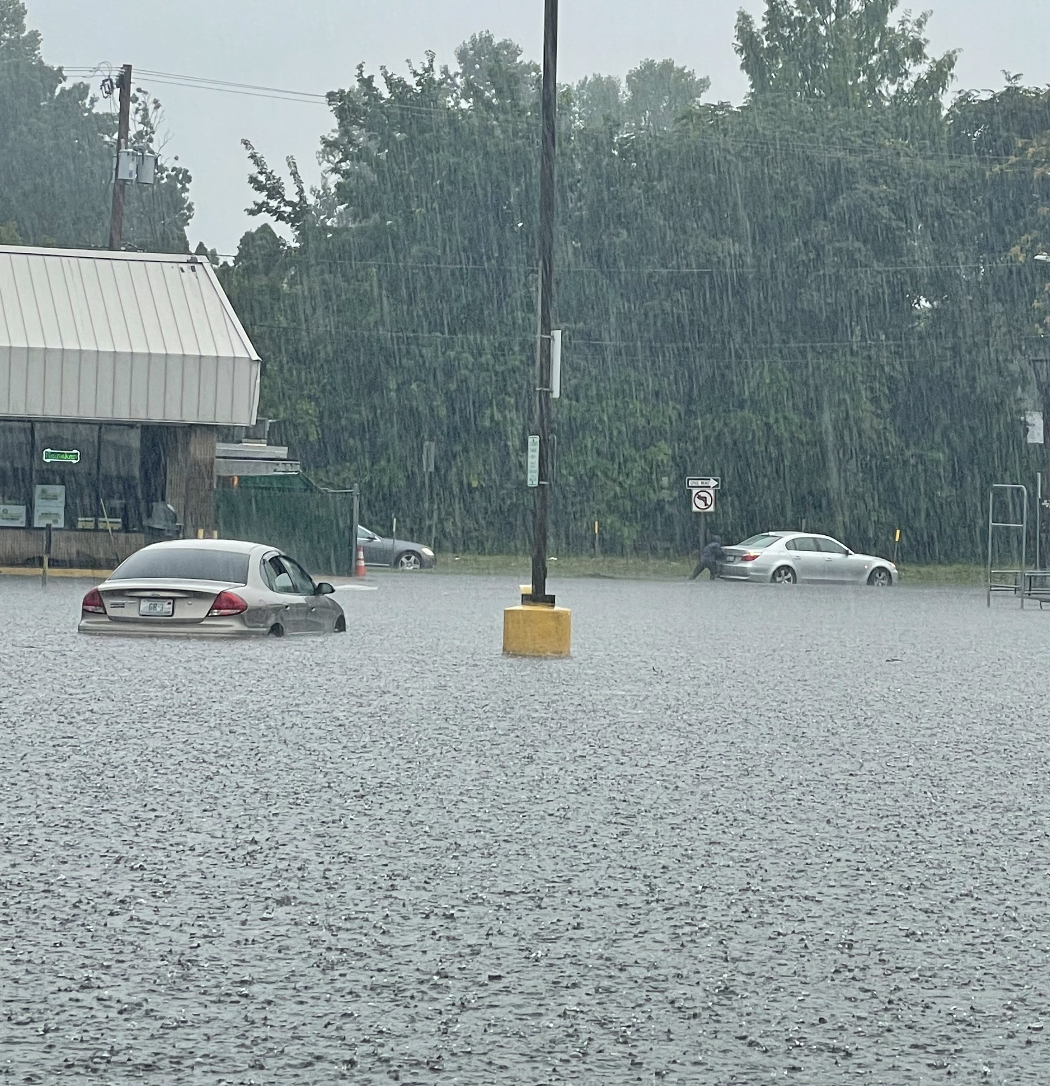
Rhode Island’s top environment official warns that this type of weather creates an uncertain future due to climate change.
“Uncertainty and variability of our weather patterns are impacts we will see as the impacts of climate change get more pronounced,” said Terry Gray, Director of the Rhode Island Department of Environmental Management.
GET THE LATEST BREAKING NEWS HERE -- SIGN UP FOR GOLOCAL FREE DAILY EBLAST“To go from a severe drought to severe flooding in literally a day is indicative of the kind of extreme variability in weather that global warming will bring to Rhode Island,” said Gray.
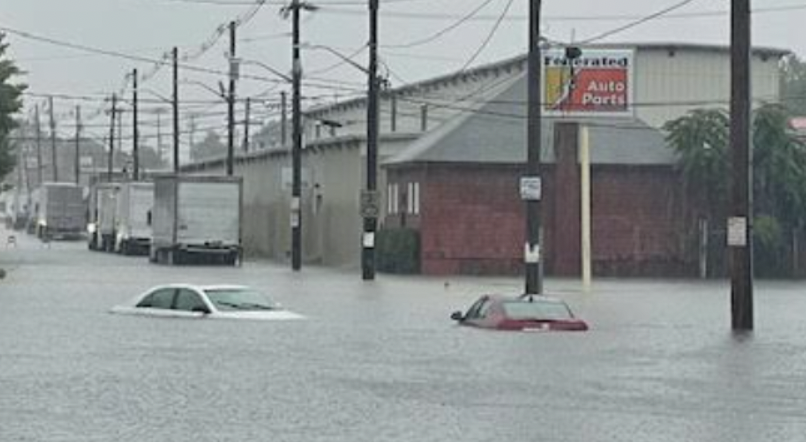
In Providence, the public safety department closed eight heavy traffic areas due to flooding.
Cars could be seen floating on roads and in parking lots.

On social media, dorms at Brown University were seen flooded.
“We need to focus on improving our systems and infrastructure to deal with these future conditions and become a more resilient state,” said Gray.
“There is a lot of work ongoing at both the state and municipal level on resiliency and today shows how important those investments are,” he added.
“As we do this, we have to keep equity issues front and center, ensuring that marginalized communities that are bearing a disproportionate burden of the effects of climate change also are prepared and properly resourced to withstand the impacts,” said Gray.
The National Weather Service warns that flooding could continue through Tuesday.
"Today’s event is another stark reminder that we need to adapt more effectively to the changing climate and become more proactive in preparing for the even heavier rainfall events that will inevitably arrive. Climate change is also causing broader shifts in weather patterns, some of which are still to be fully understood," said URI Professor Isaac Ginis, whose work includes the Hurricane Research Lab.
"Although forecast models predicted [Monday's] storm well, it surprised many people. But it probably shouldn’t have been," Ginis continued. "This has been a summer of an unusual combination of drought and flood across the country. We have seen a string of unprecedented rains and inundations in the U.S. Scientists know with confidence from decades of research that the heaviest downpours are getting heavier due to human-produced climate change. According to the 4th National Climate Assessment, the amount of rain falling in the heaviest 1% of short-term precipitation events increased by 55% in the Northeast in the period from 1958 to 2016."
"The observed increase in the frequency of heavy downpours and flooding is supported by well-established physical relationships between temperature and humidity. In a warmer world, increased evaporation rates lead to higher levels of water vapor in the atmosphere, which in turn lead to more frequent and intense precipitation extremes," he added.