


It’s Big, But It’s Sure Not Beautiful - Rob Horowitz
Rób Horowitz, MINDSETTER™
It’s Big, But It’s Sure Not Beautiful - Rob Horowitz
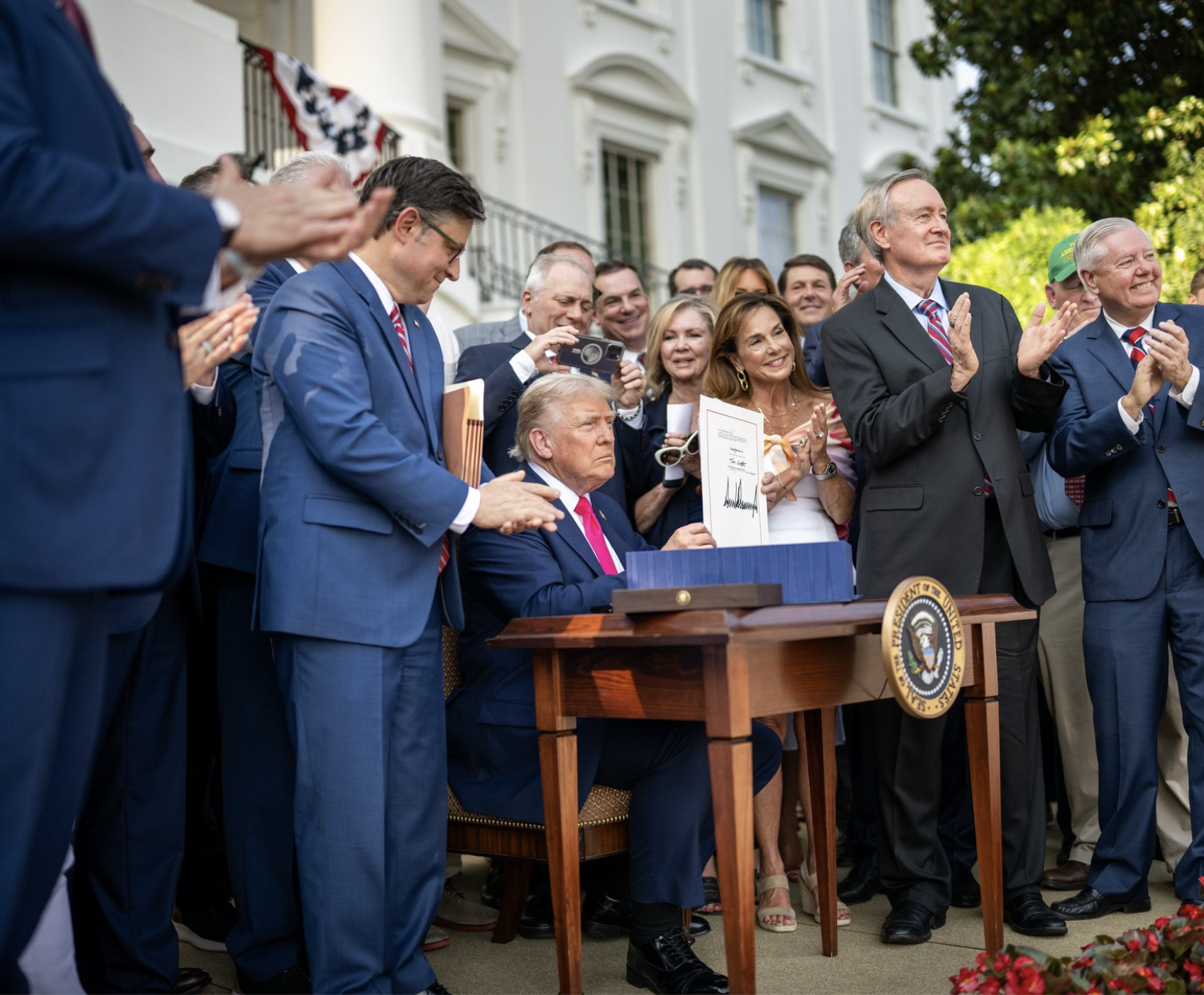
While wrapping this budget measure in 4th of July displays of patriotism was good political theater, no amount of pomp and circumstance would have been enough to distract from the glaring deficiencies of this new law, which was passed on a party-line vote under reconciliation rules to avoid a Senate filibuster.
GET THE LATEST BREAKING NEWS HERE -- SIGN UP FOR GOLOCAL FREE DAILY EBLAST
At a time when our national debt is $36 trillion and our debt to GDP ratio is approaching 125%--higher than it was at the end of World War II--this legislation will add an additional $3.3 trillion to the debt over the next 10 years according to the Congressional Budget Office (CBO). Economic analyses from independent organizations, ranging from the Tax Foundation to the Yale Budget Lab to the Committee for a Responsible Federal Budget all arrived at similar estimates. “The level of blatant disregard we just witnessed for our nation's fiscal condition and budget process is a failure of responsible governing," Maya MacGuineas, president of the Committee for a Responsible Federal Budget, told NPR. "These are the very same lawmakers who for years have bemoaned the nation's massive debt, voting to put another $4 trillion on the credit card."
The heart of the OBBBA’s budget-busting is that it makes most of the 2017 Trump tax cuts, which are set to expire this year, permanent and adds some additional tax cuts. This ensures that the wealthiest slice of Americans — the ones that don’t need a break on their taxes and could certainly afford to pay a little more — will continue to reap a disproportionate share of the gains. “Nearly 60 percent of the tax benefits would go to those in the top quintile (with incomes of about $217,000 or more),” according to the Tax Policy Center.
To partially pay for this continued largesse to the wealthy, the OBBBA reduces Medicaid spending by about $1 trillion, makes Obamacare harder to access, and puts in place other barriers to health care services. Taken together, this will reverse the progress we have made towards providing Americans with quality, affordable healthcare, increasing the number of people without health insurance by 16 million by 2034, according to CBO. At the same time, this new law cuts nutrition assistance, reducing SNAP benefits by close to $200 billion over ten years. This will result in some of our most vulnerable citizens being hit with a double whammy.
The OBBBA also features an ill-advised full-scale retreat on renewable, clean energy, doing away with job-creating incentives for solar and wind power, the purchase of electric vehicles, and energy efficiency improvements. Untouched are subsidies and tax breaks for carbon-producing fossil fuels as the Trump Administration continues to champion a heat-up-the-planet-anyway- possible approach to energy that reduces our international credibility and slows the still inevitable transition to non-carbon producing energy. This will not only make it more difficult for the world to limit the rise in global temperatures sufficiently to avoid the worst consequences of climate change; it will also provide an even wider opening for China, which is already far outpacing us in the production and export of renewable energy, to dominate the global energy market of tomorrow.
With annual interest on the national debt approaching $1 trillion, we will not escape a true fiscal reckoning, one that requires tax increases on the wealthy and entitlement adjustments and reforms. This law adds to our fiscal woes and will make the ultimate, unavoidable addressing of fiscal reality more painful. It also employs a reverse Robin Hood approach: delivering tax cuts to the wealthiest Americans, while taking health care and nutrition assistance away from low-income and working-class Americans.
There is not enough lipstick in the world to make this truly dreadful new law beautiful.