


UPDATED: Two Additional Cases of EEE Confirmed in RI - One Child and An Adult
GoLocalProv News Team
UPDATED: Two Additional Cases of EEE Confirmed in RI - One Child and An Adult
According to the Rhode Island Department of Health, the first person is a child younger than 10 years old who lives in Coventry. The second person is in their 50s from Charlestown.
The Department of Health says both have been discharged from the hospital and are recovering.
GET THE LATEST BREAKING NEWS HERE -- SIGN UP FOR GOLOCAL FREE DAILY EBLASTEarlier this month, a West Warwick resident died after contracting EEE, as GoLcoalProv reported.
“This has been a year with significantly elevated EEE activity, and mosquitoes will remain a threat in Rhode Island until our first hard frost, which is still several weeks out. Personal mosquito-prevention measures remain everyone’s first defense against EEE. If possible, people should limit their time outdoors at sunrise and sunset. If you are going to be out, long sleeves and pants are very important, as is bug spray,” said RIDOH’s Deputy Director Ana Novais.
Rhode Island’s total count for human EEE cases for 2019 is now three.
Next Steps
The Rhode Island Department of Environmental Management and RI Health are considering the next steps in Rhode Island’s EEE response.
Those steps could include additional aerial spraying based on information about human cases, cases in other mammals, mosquito activity, and findings in nearby states.
“Spraying effectively reduces the risk of mosquito-borne disease but if does not eliminate the risk completely. Personal protection always is essential to further minimize the risk, and we hope that Rhode Island’s #FightTheBite campaign helps raise public awareness about how important it is to avoid being bitten by mosquitoes,” said DEM Director Janet Coit.
Broad and targeted notification will be done in advance of any additional aerial spraying.
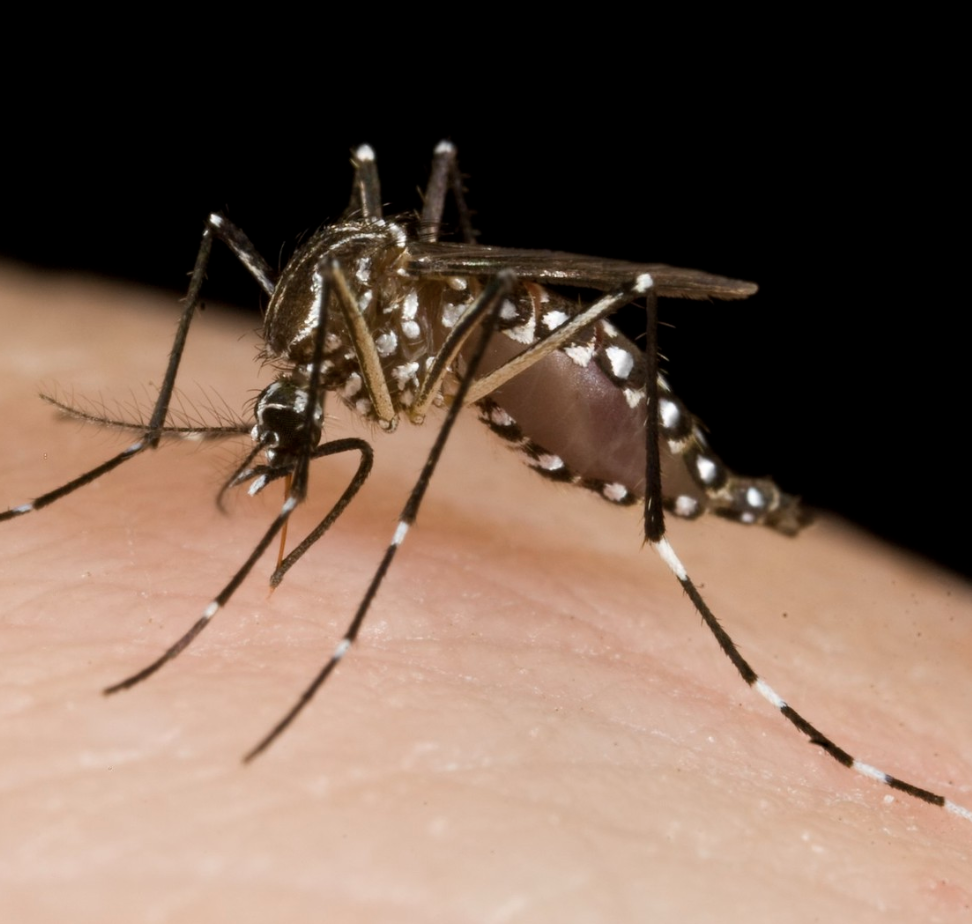
The Rhode Island Department of Health is urging residents to protect themselves from mosquitos.
- Put screens on windows and doors. Fix screens that are loose or have holes.
- At sunrise and sundown (when mosquitoes that carry EEE are most active), consider rescheduling outdoor activities that occur during evening or early morning. If you must be outside, wear long-sleeved shirts and long pants and use bug spray.
- Use EPA-approved bug spray with one of the following active ingredients: DEET (20-30% strength); picaridin, IR3535; and oil of lemon eucalyptus or paramenthane. Always read the label and follow all directions and precautions.
- Do not use bug spray with DEET on infants under two months of age. Children should be careful not to rub their eyes after bug spray has been applied to their skin. Wash children’s hands with soap and water to remove any bug spray when they return indoors.
- Put mosquito netting over playpens and baby carriages.
Get rid of mosquito breeding grounds
- Get rid of anything around your house and yard that collects water. Just one cup of water can produce hundreds of mosquitoes; an unused tire containing water can produce thousands of mosquitoes.
- Clean your gutters and downspouts so that they can drain properly.
- Remove any water from unused swimming pools, wading pools, boats, planters, trash and recycling bins, tires, and anything else that collects water, and cover them.
- Remove or treat any shallow water that can accumulate on top of a pool cover. Larvicide treatments, such as Mosquito Dunks can be applied to kill immature mosquitoes. This environmentally-friendly product is available at many hardware and garden stores and on-line.
- Change the water in birdbaths at least two times a week and rinse out birdbaths once a week.
Best practices for horse owners
Horses are particularly susceptible to WNV and EEE. Horse owners are advised to vaccinate their animals early in the season and practice the following:
- Remove or cover areas where standing water can collect.
- Avoid putting animals outside at dawn, dusk, or during the night when mosquitoes are most active.
- Insect-proof facilities where possible and use approved repellents frequently.
- Monitor animals for symptoms of fever and/or neurological signs (such as stumbling, moodiness, loss of appetite) and report all suspicious cases to a veterinarian immediately. If you are unsure if your horse is properly vaccinated, you should consult with your veterinarian.